Summary
Generated by claude-sonnet-4-5At-a-Glance
- Verdict: Skip
- Core thesis: French founders turned down Pinterest for Stripe despite initial rejection, driven by founder admiration and risk-taking
- Why it matters: Reveals acquisition decision-making psychology and early Stripe European expansion narrative
- Best use: Anecdote for understanding founder preferences and cultural dynamics in US tech acquisitions
Executive Summary
Two French founders discuss their experience being Stripe's first European customer and subsequently being acquired by Stripe after initially receiving a 'no.' They had competing offers from Pinterest and Stripe, chose to pursue Stripe despite rejection, and ultimately spent 5 years at Stripe as the company grew to 150 employees at time of their exit.
The speakers emphasize a French 'inferiority complex' toward American companies and their fanboy status with Stripe. Key friction points included this being Stripe's first or second acquisition ever, the complexity of acquiring European companies, and the speakers having a UK top co structure. The deal proceeded despite initial rejection because Stripe founders (John and Patrick Collison) wanted to take risks with a foreign team.
Key Takeaways
- Claim: The founders turned down a Pinterest offer to pursue Stripe, their dream company, despite Stripe initially rejecting the acquisition | Evidence: Speakers explicitly state 'on avait une offre de Pinterest' and chose Stripe because 'il y a une boîte qui me fait rêver plus, et c'était Stripe'; Stripe's process 'concluded with a no' | Caveat: No details provided on Pinterest offer terms, valuation, role, or why Stripe was more attractive beyond emotional appeal | Implication: Founder preference and company admiration can override rational deal evaluation; Stripe's brand was powerful enough to make founders persist through rejection | Timestamp: timestamp unavailable
- Claim: Being Stripe's first European customer (chronologically, not by volume) gave the founders relationship access that enabled the acquisition conversation | Evidence: 'On était user numéro 1 Europe... Premier chronologiquement, pas en volume' and 'on les connaissait un peu' led to direct contact with John and Patrick Collison | Caveat: No explanation of how they became first customer, what product/integration they built, or timeline of customer relationship | Implication: Early adopter status in strategic markets can create acquisition pathways even for small companies; being first matters for relationship capital | Timestamp: timestamp unavailable
- Claim: Stripe proceeded with the acquisition despite it being their first or second acquisition ever and the complexity of acquiring a European company | Evidence: 'C'était notre première ou deuxième acquisition. On n'a jamais acquis de boîte européenne, c'est compliqué' and the deal had a UK top co structure | Caveat: Transcript does not specify which acquisition number it was, what year, valuation, or what specific European complications arose | Implication: Stripe was willing to learn acquisition mechanics and cross-border complexity for strategic talent/teams; first acquisitions often involve experimental risk-taking | Timestamp: timestamp unavailable
- Claim: The founders spent 5 years at Stripe during a growth phase when the company reached ~150 employees at their departure | Evidence: 'On s'est retrouvé chez Stripe pendant 5 ans, quand on a argent, on était 150, je crois' | Caveat: Unclear when they joined, when they left, or what 'quand on a argent' refers to (possibly exit/vesting); 150 employees is ambiguous as arrival or departure count | Implication: The acquisition was not an acqui-hire flip; founders stayed through meaningful company scaling, suggesting earnout structure or genuine cultural fit | Timestamp: timestamp unavailable
Detailed Brief
French founder psychology and US tech admiration
- Claims: French founders have an inferiority complex compared to Americans; This complex persists until they see how Americans actually work; The speakers were 'total fanboys' of Stripe before and during the acquisition
- Evidence: Opening statement: 'En tant que français, on a un gros problème de complexe comparé aux américains'; Fanboy status repeated twice: 'Des fanboys. Des fanboys, mais total, total'
- Caveats: No discussion of what changed their perspective after working at Stripe; No specifics on what made Stripe operationally superior or different from expectations
- Implications: European founders may over-index on US company prestige in M&A decisions; Brand halo can drive acquisition targets to accept suboptimal terms; Cultural admiration creates retention risk if reality doesn't match expectations
Acquisition process and structural challenges
- Claims: Stripe initially rejected the acquisition after a rapid process with John and Patrick Collison; Stripe decided to proceed anyway to take risks with a foreign team; The UK top co structure was the main friction point; Acquiring European companies is complicated for US companies
- Evidence: 'Ils ont fait un processus très rapide, qui s'est conclu par un non'; 'Ils ont essayé d'y aller quand même, parce qu'ils avaient envie de tenter l'aventure et de prendre des risques'; 'Avec une équipe étrangère, parce qu'on avait une top co anglaise, c'était le principal frein'
- Caveats: No details on why Stripe initially said no; No explanation of what changed between rejection and acceptance; No specifics on UK top co legal/tax complications
- Implications: Stripe was experimenting with M&A at this early stage; process flexibility suggests founder-driven decisions; Legal structure matters significantly in cross-border acquisitions; Persistence after rejection can work if strategic fit and founder relationships exist
Notable Concepts & Terms
- User numéro 1 Europe (chronologically): Being Stripe's first European customer by timing (not volume) created relationship capital that enabled acquisition conversations
- Top co anglaise (UK top co): UK parent company structure was the main friction point in the acquisition, illustrating cross-border M&A complexity
- Première ou deuxième acquisition: This was one of Stripe's first two acquisitions ever, explaining process uncertainty and willingness to take risks
Operator Notes / Why Ken Should Care
- Early customer relationships in strategic markets can create acquisition pathways even for small companies
- Founders driven by company admiration may accept deals despite structural complexity or initial rejection
- First acquisitions by scaling companies involve experimental risk-taking and founder-driven flexibility
- Cross-border M&A (US acquiring European companies) introduces legal/tax friction around entity structure
- Retention for 5 years suggests earnout/vesting structure typical of talent acquisitions
- Pinterest as competing acquirer suggests the founders had built something valuable in payments/fintech ecosystem circa 2012-2015 Stripe era
Watch Map
- timestamp unavailable: No timestamps or chapters available in transcript
Source/Metadata
- Title: On a dit "NON" à Pinterest pour Stripe
- Transcript words: 323
- Duration seconds: 74
- Timestamp note: Timestamps unavailable; 74-second video with repetitive transcript sections suggesting possible transcription errors
Transcript
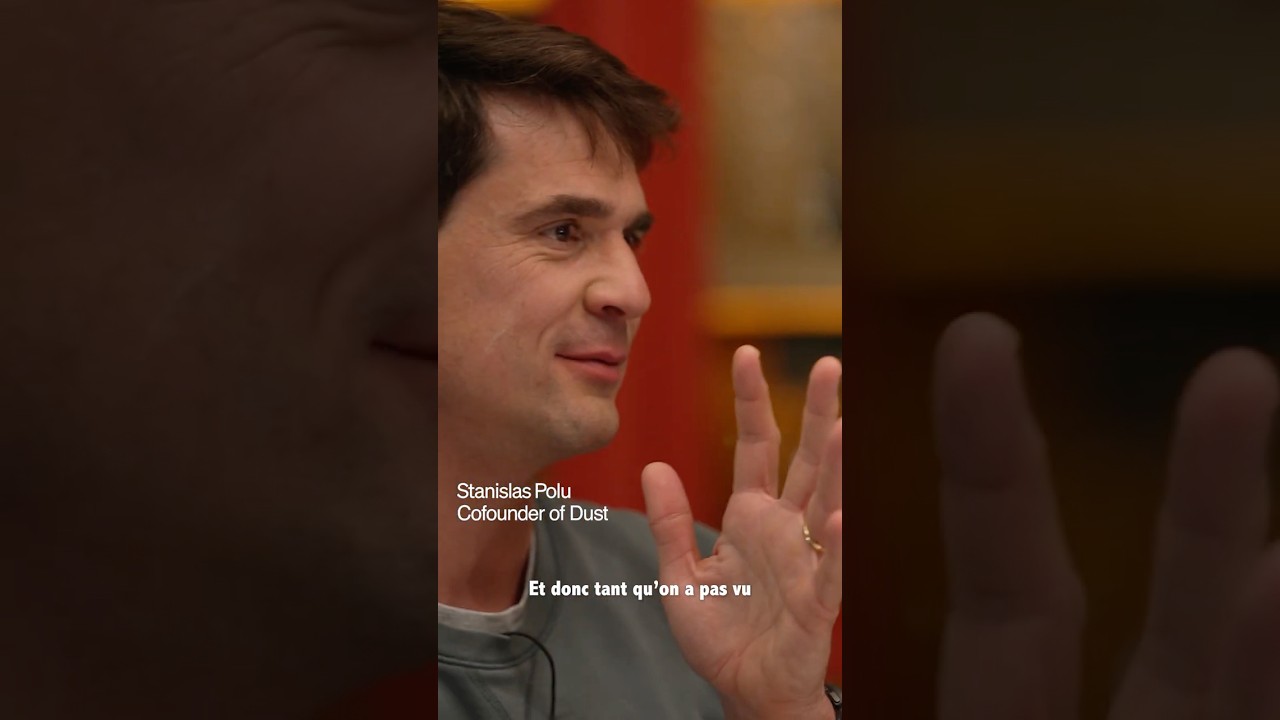
En tant que français, on a un gros problème de complexe comparé aux américains. Et donc tant qu'on n'a pas vu comment les américains travaillent, on croit qu'ils sont géniaux. Nous, on a rejoint Stripe, on était fascinés par Stripe. Des fanboys. Des fanboys, mais total, total. Et on avait une offre de Pinterest et on s'est dit, trop bien, on a une offre de Pinterest, parce qu'il y a une boîte qui me fait rêver plus, et c'était Stripe. Et on les connaissait un peu, puisqu'on était en effet le premier client européen de Stripe. On était user numéro 1 Europe. Enfin, premier client, pardon. Premier chronologiquement, pas en volume. Non, non, non, non. [SPEAKER_01] À un moment, forcément, on est back-to, forcément, pendant quelques secondes. On avait peut-être pas bien, on va lui passer. [SPEAKER_00] Bref, et on s'est dit, Stripe nous fait rêver, donc on est rentré en contact avec les personnes qu'on connaissait. Rapidement, on a rencontré John et Patrick, et ils ont fait un processus très rapide, qui s'est conclu par un non, de manière très marrante. Et finalement, ils ont essayé d'y aller quand même, parce qu'ils avaient envie de tenter l'aventure et de prendre des risques. Et donc, avec une équipe étrangère, parce qu'on avait une top co anglaise, c'était le principal frein. Alors, le fait de faire le deal, c'était notre première ou deuxième acquisition. On n'a jamais acquis de boîte européenne, c'est compliqué. Et finalement, on s'est retrouvé chez Stripe pendant 5 ans, quand on a argent, on était 150, je crois. Et donc, avec une équipe étrangère, parce qu'on avait une top co anglaise, c'était le principal frein. Alors, le fait de faire le deal, c'était... c'était notre première ou deuxième acquisition. On n'a jamais acquis de boîte européenne, c'est compliqué, machin. Et finalement, on s'est retrouvé chez Stripe pendant 5 ans, quand on a argent, on était 150, je crois.