How to Build a Personal Brand That Forces Brands to Pay You w/ Matt Choi
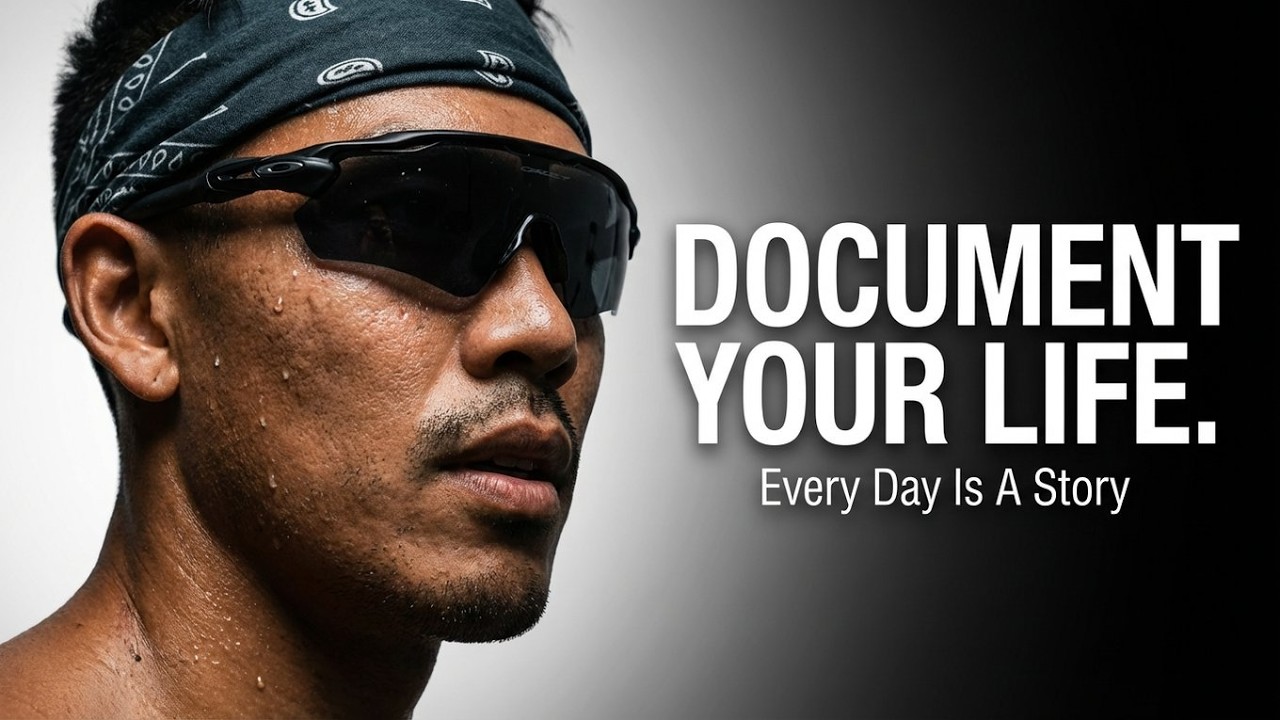
Description
In this episode, Alex sits down with Matt Choi, a successful creator, athlete, and entrepreneur. We discuss how to develop a signature series, when you should ditch a content concept, how to lock in brand deals, how to start as creator and then evolve into a category leader, how to pivot, and how to deal with the haters or negativity online. 📱Follow Us On Social: -------------------- Instagram Alex https://www.instagram.com/alexgarcia_atx/ Brian: https://www.instagram.com/brian_blum/ Twitter www.twitter.com/@alexgarcia_atx www.twitter.com/@brian_blum1 -------------------- 🔥Want Free Game? Send us a picture of your Apple & Spotify reviews to podcast@marketingexamined.com and we'll make you a playbook in a future episode. -------------------- 🎥Checkout Brians Content Agency https://www.nibble.studio -------------------- 📈Growth Playbooks, Directly To Your Inbox For growth playbooks, deep dives, and marketing case studies, get subscribed at https://www.marketingexamined.com -------------------- CHAPTERS:
Summary
Generated by gpt-5.6-terraAt-a-Glance
- Verdict: Watch fully
- Core thesis: Matt Choi and Alex Garcia argue that durable creator brands are built by pairing a low-friction, repeatable signature series with broad audience packaging, selective personal expansion beyond one niche, and integrated long-term brand partnerships rather than one-off sponsorships.
- Why it matters: This is a practical operating discussion on repeatable content IP, distribution through collaborations and TAM expansion, creator differentiation in an AI-saturated market, and sponsorship structures that can create predictable cash flow and ownership upside.
- Best use: Use it as a playbook for designing a scalable content franchise, packaging niche expertise for broader distribution, and structuring creator-brand partnerships as recurring strategic channels.
Executive Summary
The episode centers on Matt Choi's Mile Challenge as an example of content IP rather than merely a viral format. The format began when Choi filmed his coach pacing his own all-out mile, then reversed the role: Choi became the guide for other people. Its strength is that it creates a familiar viewer promise, works with runners and non-runners alike, imports collaborators' audiences, and gives brands a native place to appear without changing the underlying show.
Their core operating principle is to minimize friction. Choi abandoned a more involved mic'd-up running series because it required 30 minutes of footage, more difficult movement logistics, and substantial editorial compression. The Mile Challenge instead needs an iPhone on a DJI gimbal, a person who can ride an e-bike or scooter, and roughly 10-12 minutes per shoot. That lets him potentially produce three episodes in an hour and gives him enough proven performance history to sell predictable inventory to sponsors.
On growth, they distinguish between content for existing followers and content for acquiring new ones. The latter should use broadly legible framing while retaining unusually specific details that make the story compelling. They advise creators to land in a category first, then expand through adjacent interests, travel, collaborations, and personal dimensions that make them 'one of none' instead of an interchangeable specialist. This also becomes more important as AI makes individual content mechanics easier to replicate.
On monetization, Choi expects one-off paid deliverables to persist, particularly with large brands seeking awareness, but sees the higher-value model as ongoing integration into an existing recurring series. The preferred deal stack combines a retainer for production and deliverables with performance commissions, sales participation, or carefully vetted equity. Both speakers caution that equity is not inherently valuable: the company must have a capable team, operational capacity, and a credible ability to turn exposure into retained customers and eventual enterprise value.
Key Takeaways
- Claim: A signature series should be designed first for repeatability, because repeatability eliminates constant ideation and creates a scalable operating asset. | Evidence: Choi's Mile Challenge can be run with runners, bodybuilders, stay-at-home parents, creators, and other guests; he says he has made roughly 50 episodes and none has received fewer than 100,000 views. | Implication: Build content around a stable interaction or challenge that can accommodate many characters and contexts, rather than around a premise that must be reinvented for every post.
- Claim: The best recurring formats are operationally cheap enough to produce frequently without degrading creative energy. | Evidence: The Mile Challenge uses an iPhone, DJI gimbal, direct iPhone audio, and an e-bike or scooter; the challenge itself takes about 10-12 minutes, allowing Choi to estimate three shoots per hour. He discontinued a mic'd-up run-and-talk series because it required about 30 minutes of footage and difficult editing into 60-90 seconds. | Implication: Evaluate formats by total production cycle time—booking, filming, editing, approvals, and publishing—not by how polished the finished video looks. | Caveat: Low production friction does not mean no operational requirements: the format still depends on a reliable shooter who can safely ride and film, plus a repeatable location and guest workflow.
- Claim: A collaboration-based series compounds distribution because each guest provides both narrative variation and access to a different audience. | Evidence: Choi cites episodes with athletes, Division I football players, Hyrox participants, marathoners, and cooking creators Zach and T. The original concept intentionally let him feature people outside the running niche while preserving his endurance identity. | Implication: For audience growth, favor recurring formats where collaborators are structurally necessary to the episode rather than incidental guests added after the fact.
- Claim: Creators should package acquisition content broadly but use concrete personal or business details to make it memorable. | Evidence: Garcia contrasts a narrow landing-page video with the broader framing, "This is True Classic's $150 million marketing playbook." He argues the underlying funnel analysis remained the same, but the broader packaging could reach creators, marketers, and founders. He similarly contrasts "I'm training for Hyrox" with a more universal narrative of leaving a corporate job to pursue professional athletics. | Implication: Separate the topic from the entry point: retain specialized expertise in the body, but lead with a problem, ambition, business outcome, or story legible to a much larger market. | Caveat: Highly specific content still has a role when serving an established niche audience; broad packaging is principally for attracting net-new viewers.
- Claim: Long-term differentiation comes from expanding beyond a single niche after establishing a content system, not from endlessly repeating the original category. | Evidence: Choi plans to retain running as a foundation while testing Ironman, cycling, golf, travel, home projects, and raw talking-to-camera content. He calls this willingness to accept weaker early performance on new subjects a necessary "ego hit." The speakers call the approach "landing and expanding" and describe the destination as becoming "one of none." | Implication: Use a proven niche as an anchor, then deliberately allocate a portfolio share—Choi mentions roughly 20%—to adjacent experiments that create non-replicable personal positioning. | Caveat: Expansion should not mean abandoning the proven core prematurely; Choi explicitly says running remains part of his identity and content foundation.
- Claim: Creators should treat criticism as potentially useful feedback without allowing anonymous opinion to control their identity or output. | Evidence: Choi cites losing a meaningful equity opportunity with Runnr after a public failure, yet continuing to create. He says some criticism is valid and may identify necessary improvements, but he has never blocked an Instagram critic and refuses to organize his life around people who do not know him. | Implication: Build a review mechanism that extracts actionable critique—especially around rules, safety, and execution—while preventing reactive audience management or fear from stopping publication. | Caveat: He does not claim hate is painless; his distinction is that negative feedback can affect a creator emotionally without being allowed to dictate their choices.
- Claim: The strongest creator monetization model is an embedded, recurring brand partnership with a hybrid compensation structure, not a sequence of disconnected sponsored posts. | Evidence: Choi says the Mile Challenge outperformed other Vuori branded posts and proposes a year-long sponsorship where he wears Vuori and gifts product to successful participants. He and Garcia suggest a six-month "subscription" sponsorship of the series, such as consistently giving a hydration product to runners after their effort, backed by a retainer plus commissions, sales upside, or selectively negotiated equity. | Implication: Pitch brands on durable proprietary inventory and a native recurring role in the audience experience; use retainers for predictable cash flow and reserve equity for companies that can operationally capitalize on the exposure. | Caveat: Equity should not substitute for cash compensation unless the team, culture, fulfillment capacity, and ability to scale are credible; Choi notes that an exit during a creator's involvement is rare, even after his Runnr equity experience.
Detailed Brief
Content archetypes and format evolution
- Claims: Choi's content shifted from beginner-oriented education to a mix of entertainment, aspiration, and documentation as the running creator ecosystem matured.; He believes "how I did it" is a more sustainable educational posture than universal "how to" instruction, because it shares useful experience without overstating expertise.; Raw 45-90 second iPhone-to-camera posts are a priority because the "yapper" format feels intimate and has extremely low production friction.
- Evidence: His early posts addressed issues such as plantar fasciitis, shin splints, fueling, shoes, and training mistakes he encountered as a new runner.; He uses examples such as "how I ran a sub-three-hour marathon" or "how I fueled" rather than claiming a method will work for every runner.; He references Higher Up Wellness/Michael Smoke as a model for direct, vulnerable, lightly produced camera-to-audience communication.
- Caveats: Choi acknowledges that coaches and specialists may possess deeper technical knowledge, which is why personal experience should not be presented as universal prescription.; More polished branded skit production can expand creative range, but he personally dislikes director-heavy shoots that require repeated line reads.
- Implications: An effective creator portfolio can shift archetypes as both audience needs and the creator's own curiosity evolve.; First-person evidence and transparent framing can let an operator teach credibly without pretending to be the definitive expert.
Confidence-building for new creators
- Claims: The cost of inaction is a lack of data: trying and failing generates information, while doing nothing preserves doubt.; People with strong fear of public posting should first build self-trust through private, small, measurable habits before exposing themselves online.; A useful starting content source is not professional expertise but a real point of view on activities already being done day to day.
- Evidence: Choi suggests habit-level challenges such as improving health, drinking more water, or quitting smoking before asking someone to take the more public risk of publishing.; Garcia proposes recording five clips and several talking-head videos over a short period without publishing them, using the practice as proof of an emerging creator identity.; Choi paraphrases a Hormozi principle: do things, talk about what you do, then do more things.
- Caveats: The speakers frame health as a useful confidence-building starting point, not as a requirement or a substitute for developing actual content skills.; The discussion is motivational and anecdotal rather than a clinical framework for anxiety, harassment, or mental-health challenges.
- Implications: A creator onboarding system should measure private repetitions and completed experiments before it measures reach, followers, or monetization.; Daily work, parenthood, trades, recovery, and personal change can all be viable source material when described from lived experience.
Notable Concepts & Terms
- Signature series: A recurring content format with stable viewer expectations, recognizable visual and narrative mechanics, and enough repetition to become proprietary audience-facing IP.
- Mile Challenge: Choi's signature format: he coaches or paces a guest through an all-out mile, creating a compact challenge, collaboration vehicle, and sponsorship surface.
- Friction: The full practical burden of making content—shoot duration, crew needs, movement logistics, editing, and publishing—not merely the cost of equipment.
- TAM / Total Addressable Market: Applied to content as the potential audience for a subject and, especially, the way a concept is framed; broad packaging can expand reach without changing the underlying information.
- Content for followers vs. content to get followers: A distinction between niche-serving content for an existing audience and broadly packaged entry-point content designed to attract new viewers.
- Landing and expanding: Establish credibility and a reliable content system in one category, then progressively add adjacent interests and personal dimensions.
- One of none: A differentiated creator position created by a distinctive combination of skills, interests, life roles, and formats that competitors cannot easily copy.
- Hybrid creator deal: A commercial structure combining guaranteed retainer/deliverable payment with upside through affiliate revenue, performance incentives, or selectively vetted equity.
Operator Notes / Why Ken Should Care
- Audit existing content formats by end-to-end production time and kill or redesign any recurring series whose editing and logistics prevent consistent throughput.
- Define one recurring franchise with a fixed opening, interaction pattern, location or visual grammar, guest workflow, and obvious sponsor insertion point.
- Create a content portfolio split: protect the proven core while assigning a deliberate experimentation allocation to adjacent categories and raw, low-production formats.
- For acquisition-oriented posts, rewrite hooks to lead with a broad human or business premise; retain technical specificity after the hook rather than leading with insider terminology.
- Package sponsorship outreach around a 6-12 month recurring series integration, including projected episode volume, minimum historical performance, native placement, and reporting cadence.
- Do not accept equity in lieu of cash without diligence on team execution, fulfillment capacity, growth culture, cap table terms, and credible paths to liquidity.
- Install a criticism triage process: capture valid operational feedback, correct preventable mistakes, and avoid treating anonymous commentary as a strategic decision-maker.
Source/Metadata
- Title: How to Build a Personal Brand That Forces Brands to Pay You w/ Matt Choi
- Transcript words: 25342
- Duration seconds: 4446
- Timestamp note: No usable timestamps or chapters were present in the supplied transcript; substantial portions of the latter transcript are duplicated.
Transcript
You have to be excited about what you're creating for it to perform well. I want to be the most hated creator in the running space. I don't ever say that. It's a format that is winning right now. I don't want to be hated, but I don't live my life based on those opinions. You're now positioned to be one of none. Bro, I've done all the concepts that you can think of. Somebody just flicked me off randomly. What's up, y'all? Welcome to another episode of Sweat Equity. I told you this year we were going to be doing a lot more guests. One of the guests is one of my favorite creators, probably founder as well, because I know you've been tinkering on some things. There's Matt Choi. So, Matt, I appreciate you coming here. Most probably everybody that listens to Sweat Equity knows who you are because I've referenced you, and we'll go deeper, layers deeper into it. But give us a little bit of the intro, and then we're going to dive into something. Hell yeah. It's funny. This morning I was shooting content, and my buddy Brian did some of my content, and he goes, “Oh yeah, dude, I got this newsletter that they were talking about you in, actually, about the miles challenge.” And I was like, “Is it Sweat Equity?” And he's like, “Yeah.” And I was like, “Dog, I'm about to go sit on a pod with Alex right after this.” But a little bit about myself. I'm a younger brother, raised by a single mom, played football growing up, played in college. I got into running and the endurance world in the midst of the pandemic. Moved to Austin about four or five years ago. And it was really more of a gamble, more of a bet on myself in that way. And I kind of went all in on content in that same season in my life. And four or five years later now, I've obviously been in the running and endurance space for a minute. I always look at myself as a creator first, then an athlete, and whatever else I'm trying to get into. Obviously, I'm big in the content and marketing ecosystem in addition to athletics. And the athletic piece is some things I've always interchanged, whether it's been football, running, cycling, Hyrox, golf. I feel like, for me, it's always tinkering in different interests that I have. And honestly, most of that starts with me just not being good at something and then going all in and getting obsessed to try to get better. Oh yeah. I love it. And you and I both have similar backgrounds, played college football, and then had to go a completely different path because we didn't get drafted. Yeah. Which, like most people, are not getting drafted. Guys are not going to go. I was talking to somebody, and he played college. Oh, you know Jackson from Absolutely. Mitchell. Yeah. Him and I were both talking about it. He's like, “Were you trying to go to the league?” I was like, “Of course I'm trying to go to the league.” And he's like, “I was too.” And then it's like, as soon as that dream gets crushed, very fast. Absolutely. Very, very fast. But I want to dive into something that I think is very important for both creators and brands, which is to have a signature series, something that a viewer creates a specific expectation around, and they attach that expectation to either the brand or the individual. You've done it. I mean, you've done it very, very well with your mile challenge. So I want to go a few layers deep into the mile challenge. And I also want to set it up for individuals as well. The reason I think this is very important is because content is getting more saturated every single day. Every single day, more and more content is getting published. More brands are starting to take content seriously. More people are trying to become creators, right? So therefore, it's not just fighting for attention. It's fighting for familiarity. The fact that I always could see the first frame of Matt Choi's mile challenge and know exactly what I'm going to get out of it, you know what I mean? And that's so important from a content perspective and from a strategy perspective, to have something that you own, that you repeat, and that you can scale without having to reinvent the wheel. What I want you to break down is, one, start walking me through your process of, okay, why do I want to ideate something that I can, one, associate myself to, two, is my thing, and three, is then this series that is connected to you but also has the ability to scale? Yeah. I mean, the first thing I think about is repeatability, right? Which I think, to your point of scalability, it's like, can I take this same concept and do it with a runner, a bodybuilder, a stay-at-home mom, a fill in the blank? And if I can do that, then it helps me eliminate the distraction of coming up with new stuff all the time. Yeah. And I think the mile challenge itself is a great way to bring other people on that aren't always runners and also leverage people's demographics and their audiences that aren't runners. And that was actually the initial thought process for me. It was, all right, I did a mile challenge myself. I was timing my own mile, and I saw the traction that got because I think, for a lot of people, they actually don't know the last time they tested an all-out mile. So the first test was me doing it with myself and me going to my coach and being like, “Yo, I need you to pace me for this mile.” Seeing the traction with that, and then me being the coach or the person guiding someone else to go do the mile, ended up becoming the series itself. And then, to your point, it's like, all right, what was I thinking? It's like, all right, well, I could pretty much do this endlessly, one, with getting creators I want to collaborate with that aren't in the niche that I'm in. Down the line, I was thinking I can then integrate product and brand into this, knowing that I can expect a certain amount of traction on this video because there's been so much proof in the pudding now. I've probably done 50 mile challenges, and I don't think any of them have done less than a hundred thousand views. Yeah. So even then, going to a brand and trying to pitch that to someone, it's a lot easier for me to be like, “Hey, a hundred percent, we're going to get X amount of views guaranteed at the minimum. And we can integrate your product, your service, in the video.” Because most times I'm talking the runner through, and those are moments where I would just plug in, “Hey, this is Waterloo, this is Bilt credit card.” We've done. We hit it with Bilt, bro. We paid for someone's, I went to strangers in Austin, and we paid someone's month free of rent. I saw that. Yeah, yeah. So that one was probably a year and a half ago. And then even more recently, we integrated Vuori product in it, which was literally just seamless, right? Seamless. The thing was, even with Vuori, I did something with Vuori for like five months, starting from August to December, and most of the branded content just doesn't really do well. But that one video outperformed every single carousel post, just standard Reel. It significantly outperformed. So now it's like I can then go pitch to Vuori back, like, “Yo, starting in 26, why don't you guys just sponsor the mile challenge for the next year? I'll always wear Vuori product, and then we can start gifting people product if they hit their goal or whatever it is.” You know? I feel like you have such an angle with your series to have a shoe sponsor, an apparel sponsor, and then a hydration or recovery sponsor. You know what I mean? Somebody's winded, and you're just like, “Well, here's what you need to take.” Absolutely. I mean, it opens a door for you to have three sponsors and probably make a significant amount of money per episode. When I think about a signature series, I'm thinking about it through a few lenses. One, like what you said, repeatability, right? You have to have the ability to repeat it and be able to build operations around the logistics that allow you to repeat it. I want to go a layer deeper there. With that, how big is the crew? I once made a video about a Brooklyn coffee shop. Yeah. Okay. The video went mega viral, right? It got, I think, 2 million views, but one of the comments was, “Oh, so now, as a small business, you're saying I have to start a show and I have to have a huge production.” Absolutely. It opens a door for you to have three sponsors and probably make a significant amount of money per episode. When I think about a signature series, I'm thinking about it through a few lenses. One, what you said, repeatability, right? You have to have the ability to repeat it and be able to build operations around the logistics that allow you to repeat it. I want to go a layer deeper there. With that, how big is the crew? I once made a video about a Brooklyn coffee shop. Yeah. Okay. Video went mega viral, right? It got, I think, 2 million views, but one of the comments was, oh, so now as a small business, you're saying I have to start a show and I have to have a huge production. But it was, no, what I'm trying to tell you is look at all the elements within this video. Everything is repetitive, right? The theme is repetitive. The location is repetitive. How they shoot the intro, the hooks, all of these things are repetitive. Pay attention to that because that's the masterclass. You're creating a series that's getting hundreds of thousands, if not millions, of views. I think the one with Brad got 1.5. 100%. Yeah. Walk me through, what does the logistical side of that look like to be able to do that? Because I don't think it's the craziest thing. It's minimal. I think it's probably the most minimal you can go. We shoot with a gimbal, an iPhone, and we need a motorized vehicle. So some form of an e-bike, a scooter, typically an e-bike or scooter is how we've done it. But I don't even use mics because sometimes a mic with the wind doesn't pick up audio well. I literally just shoot straight off a DJI gimbal with an iPhone, and we use this straight-up iPhone mic. Yeah. And that's pretty much it. Obviously, the challenge itself, another thing I love about it is shooting time is 10 minutes max. Think about that. It's like- It's probably about 12 minutes, bro. Yeah. You're probably faster than that. But think about that. Even as a creator, it's like, all right, you want to maximize one hour of time. I could film three mile challenges in one hour with my same shooter, three different athletes, and we can bang out potentially three videos worth a million views. Right. And within one hour of time, bro, that's very scalable. And then we're looking at, all right, what's the labor of one videographer? And over the years, I've gotten different people to basically just be like, yo, I need you to be able to consistently produce this content. And from that point, it's just getting someone on retainer. Hey, you're going to be my shooter for the mile challenge. And that's pretty much it. In the past, it was my brother, and we've kind of progressed it to different people, but you really just need someone who's comfortable riding a bike that can also hold a gimbal with one hand. And that's the friction. That's a very little amount of friction. Minimal friction. Minimal. If you're complaining about that, then you shouldn't be making content. Well, then I realized that some people actually don't know how to ride a bike. And I was like, damn, that's a whole other layer. Yeah. That's a whole other problem. That's how, you don't even worry about that unless your series is how to ride, day one of trying to ride a bike. It's not for you. The next element that I talk about for a signature series is unique to you. Something that you're positioned very uniquely to be able to do, publish, distribute, that is associated to you with the things that you want to be associated with. Yes. For you, it's endurance. It's running. Talk about that element of it, because I actually didn't know that the genesis of it was you timed your mile. So your coach essentially ran you through that, and you're like, oh wait, if this worked, what if it was reversed? Correct. But it's also very unique to you because you're also an athlete, right? So there are people that are running marathons now that, I don't want to say they're not athletes, but they train to just run the marathon and they want to check it off their box. Whereas you're like, I want to go from 240 to 235 to two, right? You have goals that you're trying to attain, and you train hard for them. You did Leadville. You've done all these different races. Walk me through how this is also unique to you and your ability to do this probably better than most individuals. I think it comes back to just being a student athlete. Even in my early days as a trainer, it was that ability to lead by example, by doing it yourself and then walking someone else through the same exact thing. And I think that was kind of the origin of it. Then I took it into running, where it was like, when I first started running, it was me just literally throwing pasta on the wall, not knowing what I was doing, not having guidance or coaching on how to actually pace or fuel or do tempo workouts or all these things. So when I first had that mile challenge I did with my coach, it was then realizing how much of an impact there is when you do have someone pacing you. Because if you and I go run by ourselves, yeah, we're going to push ourselves naturally because we have an athletic instinct, also just from being in sport, to push yourself. But when you have someone guiding you that's so invested also in you pursuing and achieving your goal, there's a layer of something of what the athlete mindset is that you don't have to think so hard. Like, you're telling me all I have to do is follow right on your hip, and I don't have to look at my watch. I just got to focus on breathing and then putting one foot in front of the other and finishing four laps. And for me, I saw that when I did that mile challenge with my coach, and then it was just recreating that for other people. And then I would just ask people, like, yo, when's the last time you timed a mile? And I got shocked by how many people didn't know, especially people that ran. People run marathons, and then they're like, I don't know what my mile is. So it's like, oh, you can do this for 26 miles, but you can't, or you don't know how to push it for one mile. That's interesting. So then I went into the coach's mindset, similar to when I was playing football, and then when I got out of football, going into personal training, where it was like, oh, I'm just going to help someone get to their goal because I see the value in that. And it was also just acts of service in that way too. I love it. I think the part that's so key to it is the fact that you do get to collab with everyone. Most signature series, they're telling a story about somebody or something that's educational or whatnot. Yours is the ability to go to an athlete, or go to a division one football player, go to a Hyrox athlete, go to a marathon runner, go to whoever you want. You did one with the couple that cook a lot. You know what I'm saying? I forget who they are. Oh yeah. Zach and T. Yeah. You get to basically do it with anybody and then tap into their audiences and build this bridge from your series to your audience, which I think is huge as well. I talk about character-driven being a key element in the series. Yours is character- and collaboration-driven, which is so huge. Absolutely. Absolutely. I love that. I absolutely love it. And yeah, it's genius. I think you had done another series too. I don't think you still do it, though, where it was a run-and-talk kind of thing. Why do you stop it? The logistical. So this is where then we talk about friction. Getting 30 minutes of footage and trimming that is just a little bit more friction. So now we're having to have someone who can ride on a bike that can also maneuver through downtown, Town Lake. Yeah. That's another, wherever you're running. And that is a 30-minute shoot that you then need to compile into 90 seconds of the best content. The friction of shooting that was just a little bit more challenging versus I can go to a track. I know that it's going to take 10 minutes. I can minimize the time it's going to take to shoot, produce, and then upload. Yeah. So that one was just more like, all right, the mic'd-up series was really good because a run and talk thing. Why do you stop it? The logistical. So this is where then we talk about friction. Getting 30 minutes of footage and trimming that is just a little bit more friction. So now we're having to have someone who can ride on a bike that can also maneuver through downtown, Town Lake. Yeah. That's another, wherever you're running. And that is a 30-minute shoot that you then need to compile into 90 seconds of the best content. The friction of shooting that was just a little bit more challenging versus I can go to a track. I know that it's going to take 10 minutes. I can minimize the time it's going to take to shoot, produce, and then upload. Yeah. So that one was just more, all right, the mic'd up series was really good because it was a dope way to just get to know people. And I think then that got iterated where Kate and Max kind of took that in their own way. And I think people then iterated on that, kind of like the mic'd up run almost, which I think is a great concept still. I just was like, all right, it's a little bit more friction to create it. Which is so key because that's what we're talking about. It's the ability to have operations that allow you to scale something. Correct. And repeat it. That killed it. And there's a lot of friction on the editing side to, yeah, like you're saying, pull down 30 minutes to 90 seconds or 60 seconds. It's tough. The other layer that I want to go into is archetypes. I think the best creators typically tap into multiple archetypes. Someone is something that is educational, or an archetype that's educational, on top of potentially being inspirational or motivational or entertaining. What archetypes do you feel like your content performs best in? I feel like it's changed over the years. Yeah, I feel like when I started, educational by far. It was like, oh, these are things I'm doing for plantar fasciitis, for shin splints, for X, Y, and Z. And I think because running at the time was still in a beginner stage in terms of content, it was easier to win off education because no other pure runners were making content. Which is interesting. So I was a new runner that didn't really have all the knowledge, but I would just go through my own injuries and I would make my own mistakes and then document those things. I felt like those videos performed the best. Now I think it is more on the entertainment slash motivation, kind of in the mix of that, because now it's like, yeah, a mile challenge is definitely more entertainment than it is educational. 100%. Me going after a race or going after a time is definitely more aspirational, motivational kind of content. And I think I've now even dabbled with some brands and shoots where it is pure entertainment, like the Srixon golf stuff, right? That was like a skit. That's us going through a long shooting day, which I don't love doing those shoots. And there's production, there's producers, there's directors that say, yo, I need you to run this line again. I think as I even dabble into newer stuff, right, I think the reason I like challenging myself with different hobbies is that I can then become a student again and go back into that old mindset of like, all right, well, how do I take this cycling and bike content into something that's more educational in the simple fact of how to change a tire, how to change your flat, all those things. But I would say right now, probably less educational, more on the realm of aspirational and entertainment. But I think that's super interesting if you look at the space and be like, okay, running is taking off. I'm primed to be the resource for information. I'm going to own that for a bit. Then I'm going to evolve into other archetypes as I evolve as an individual, right? I can now evolve into the inspirational, motivational side because I'm training for a triathlon or whatever the case may be. Right. Did you see that opportunity then? You're like, hey, I'm going to own this opportunity and just document, because your content at the beginning was almost like documenter plus educator. Yeah. You know what I mean? It was like this mix. Now I think it's like inspiration and documenter still. Yeah. What is the archetype now that you place yourself in fully? I would say, and I think this is actually something I'm still trying to refine, to be honest. And I think to your point, when I first started, it's almost like relearning who you are in a way, right? And I think what worked in the past, it can still work now, but you have to kind of refine it. Is that the best way to communicate the things I want to talk about? Because I think now there are probably runners that know more, there are coaches that know more than me. Yeah. And granted, they might not be able to communicate it as succinctly, but they still probably know more. Yeah. And I think even for me, it's kind of like that fear of, oh, am I going to sound dumb? Because there probably is someone that's nerded out on this way more than I have, but I can still talk from my POV. And I think that's something that even when I heard Homerozy say this all the time, I'm like, at the end of the day, it's not how to do something, it's how this impacted me, right? It's like how I ran a sub-three-hour marathon, how I fueled for this, how I did this. And that's not saying that it's actually right. It's just saying that this is how I was able to achieve it. And I think when people go into education, it's always like how to do something, where that can be valuable, but it's subjective at the end of the day. It is. Unless you're an Olympics-level coach, can you actually measure that this plan or strategy is always going to work for someone who has never run before and someone who's run their whole life? Probably not. So when you go from how I did something, I think it's always an easier, more forgiving path because it's not saying that this is the right way all the time. It's just that this worked for me. Now, I think to answer your question, where do I think I sit now? I actually feel like I am in that mix of more in the entertainment slash aspiration because for me, even in running, bro, I feel like I've kind of tapped into all the running shit, bro. For sure. I don't get excited as much to make running content because I'm like, damn, I've kind of, bro, I've done all the concepts that you can think of. So it doesn't excite me in the same way. So I don't feel like I want to make the same content I made four years ago. Why would I go make that same video when I did that? And then when I see new runners doing it, it kind of hits because it's new for them in that way. You know what? And I think for me, now I don't want to get so consumed in what I'm known for. And I think that's why when I do these other activities and hobbies, it's not going to perform as well initially, but it's like, can I take that ego hit and be like, damn, as a creator who's been in the game for a couple of years, does that make me feel like I'm less than because it's not hitting as much as if I did this running content? Yeah. So it's kind of that balance where, yeah, I'm willing to throw in 20, I'm sprinkling 20% of stuff that's brand new that might not hit. And I think I'm okay with that in the long run because I don't want to be consumed in just the one thing. When I think about the Paul brothers and people that have iterated themselves, whether it was from Vine to YouTube, yeah, to boxing to WWE, you need to evolve as you evolve as a person as well. And if I just make the same running content, which I've seen people in the running space do that, and they're still making the same stuff, bro, and they've been in it for five-plus years, it just doesn't excite me as a creator anymore. You know? Yeah. So then looking at 2026, what's your strategy? How are you going to go from, I think you're at 405,000 followers to say 500, 600, 700,000, 20% of stuff that's brand new that might not hit. And I think I'm okay with that in the long run because I don't want to be consumed in just the one thing. When I think about the Paul brothers and people that have iterated themselves, whether it was from Vine to YouTube, to boxing to WWE, you need to evolve as you evolve as a person as well. And if I just make the same running content, which I've seen people in the running space do, they're still making the same stuff, bro. And they've been in it for five plus years. It's like, it just doesn't excite me as a creator anymore. Yeah. So then, looking at 2026, what's your strategy? How are you going to go from, I think you're at 405,000 followers, to say 500, 600, 700,000, but stay as excited? Because I think one big layer of content, as well as the energy that goes into it, you have to be excited about what you're creating for it to perform well. So how are you thinking about 2026 on growing and approaching content? Yeah. I think running is now part of my DNA, right? It'd be dumb to just be like, all right, I'm just going to completely stop running, right? So I think there are ways to sprinkle it in still, or not even sprinkle it in, but I think there's a way to keep it as a core and a foundation while sprinkling other things. So I think for me, a very good transition would be trying Ironman World, where you get to mix in, because running is a massive piece of those things. You're mixing these other elements of endurance. Like worlds colliding. Correct. And I think for me too, in the marathon itself, when I'm not going for a super fast time, I know I can do it. When people are like, oh, I want to see my limits, it's like, once you do 50 marathons, I know what my limit is at this point. And I think the last time I got really excited about content, and also a challenge, was around Leadville. Ultra marathons, where there's more variables of failure. There's not an instant, like, bro, when I go to a marathon, there's very little doubt that I'm going to finish. You go to a hundred-mile race and you toe that line, there's a chance that you actually might not finish, not from your will, but from your body shutting down, from so many other variables. So I think going into 26, one, I think even with content right now, there's a shift happening where if you're only trying to chase viral content, that's also not the best strategy to build depth with your following. You might have a couple of viral videos that go crazy. You might get a ton of followers, but I think it's important to be mindful of how you earn followers in the same way that how you make money matters. If you're scamming people and you're just chasing bread, I think that's also not the best way to make money. So I think in the same way with followers, I don't want to just get a shit ton of followers by just doing viral content. Do I think that those concepts at times can help, and you can sprinkle those things in? Yes. But I think right now I'm also just trying to get better at talking raw to camera and just going iPhone footage, kind of like Higher Up Wellness, my buddy Michael Smoke, that kind of style where you're being more vulnerable, talking about a topic, and the friction in terms of production is minimal. I want to be able to pull my iPhone out, have a concept, talk about it in 45 to 90 seconds, put captions on it, and upload it like that. The yapper. A hundred percent. Yapper. Dude, the yapper. That's something we talk about in Cut30. I know you've talked about it. I know Charles. Talking about being the yapper is funny. But it's a format that is winning right now. Correct. The yapper, because it feels intimate. It feels real. It feels, I hate to use the word authentic, but it does. He's positioning, he has a notepad and pencil, and he's talking and doing shit like this in his stuff, which is literally how he is in person. And it popped, bro. I do think there is a—oh, and I'm not good at doing that. I need to work on not executing the content. I like to do the polished shit. I like to build a set. I like to do a production. And I want to do some more raw stuff where I could just, yeah, to the camera. You know what I'm saying? What do your content priorities look like this year? Not fully. It's funny, I was actually going through a—mostly, I just had Tony Robbins on. I was literally just listening to that on the drive here. And I was thinking about where, what are my content pillars, and where do I want to pull ideation from? I think there is still a layer of endurance, that ecosystem, but that is actually still just a sprinkle. I think there are other things I want to ingrain into my content. And I think the yapping stuff is actually an opportunity to layer in other stuff that is outside of just endurance. But no, that's still something where, going into the new year, it's still unclear for me right now. But I think, to your question before, things I'm thinking for growth, I think there's a mix of the yapping stuff in addition to integrating other forms of endurance that aren't just running. And so, as in more tapping into the market? Correct. Like tapping into—okay. I think about TAM a lot, right? Like total addressable market. From a content perspective, I feel like nobody talks about that. Yeah. I mean, I had a mentor in my ecosystem that was always like, Matt, even traveling to other places, you enter into different TAMs, right? So I think even for me, it's like, how do I leverage travel in addition to other creators? The reason the mile challenge was also so great is that you're hitting a whole other addressable market. When you go travel to Southeast Asia, you get the massive audience of Indonesia, the Philippines, and all these things. So I think for me, there's a mix of doing in-person stuff in other ecosystems, in addition to figuring out ways that are collaborative with other people. Yeah. And I think that's always been a strat for me. That's always what worked. Who do you think does a great job with TAM? I think Speed, by far, in the creative world, does it the best. Even comparing Speed to other streamers, Kai is the GOAT, but he typically still just stays behind his screen in his warehouse. But when you see Speed going out, racing cheetahs, going out to Africa, he's also bringing his audience on the journey and teaching them things that most people, bro, in the U.S. don't have passports. People don't leave the States. So you'll never understand the perspective of someone who lives in Africa, in Indonesia, in any of these places. So I think when I think about addressable market, it's like, all right, in running, the addressable market is solid. Is it the biggest? No. You compare American football and marathons and running, it's significantly smaller. Now, is marathon and running bigger than pickleball? Yes. But when I think about addressable market, it's like, all right, how do I tap into things that have new audiences? Golf, cycling, Ironman, right? These are somewhat adjacent because they're hobbyist activities, but it's a way to tap into he's also bringing his audience on the journey and teaching them things that most people don't. In the U.S., people don't have passports. People don't leave the States. So you'll never understand the perspective of someone who lives in Africa, in Indonesia, and any of these places. So when I think about addressable market, it's like, all right, running, the addressable market is solid. Is it the biggest? No. You can compare American football and marathons and running. It's significantly smaller. Now, is marathon and running bigger than pickleball? Yes. But when I think about addressable market, it's like, all right, how do I tap into things that have new audiences: golf, cycling, Ironman, right? These are somewhat adjacent because they're hobbyist activities, but it's a way to tap into things that are outside of what I'm currently known for. Yeah. Which I think, again, is so key. Because then you build bridges. The more bridges you can build, the bigger the castle is going to be. And I think you're doing that. I think Speed does a good job of that. Kai does it in a different way. We bring different people into streams. Absolutely. And I'm feeling like we're trying to do it with guests. And then even with my content, I have some collab series that I'm building on because I want to tap into other people's markets as well, right? Even though some of the series that I'm creating, being able to collab with them, again, similar to yours, I'm tapping into the person that's a runner but wants to build a business eventually. And so, therefore, they're going to come to me to understand content. And that bridge is me maybe doing something with you or doing something with whoever else. But again, nobody talks about, depending on the market and category that you're in, you can have the most viral video in the world within your category and it only gets 500,000 views. But then you could be in a completely different category, tap into a different category, and get 5 million views just because of the TAM that that category has. And that's one of the things that I actually dealt with firsthand, where one of my first videos that I made, when I was getting back or getting into my content, because I had first done Twitter content, and Twitter content is more tech bros. Going to Instagram, it's a completely different game. So when I was doing my first bit of content, I made a video about True Classic. Yeah. The clothing company. Yeah, the clothing company. But the first iteration of the video that I made was about landing pages, and I had a thousand followers at the time. Landing pages, there is no TAM. That TAM is maybe, I mean, you go into LinkedIn and you put in conversion rate optimization, and there's probably a hundred thousand people total in the world that would have that in their job title. So talking about landing pages, the TAM is way too small for that video to pop, right? Then I actually just made a video about this, about how I test concepts. If I think something has legs, if I look at the data and I'm like, okay, the like-to-share ratio is very high, but then my packaging isn't there, maybe my skip rate isn't low enough, maybe my average watch time isn't high enough, then I just have a packaging and storytelling problem. So I looked at my first iteration of the True Classic video, and I made a second one. The second one then was me talking about True Classic's story, but I still took a marketing funnel perspective. It was like, this is the funnel that took them from investing $3,000 into now a $150 million company. And again, I looked at the data. The data was like, hey, there's something here, but you're not packaging it properly so that it can reach a larger audience. The third iteration of that video, and I think if you go back, I literally hit these back to back to back because I was in such an I-need-a-win phase, the third iteration of the video was, "This is True Classic's $150 million marketing playbook." That I run. I mean, if you pay attention to my content, that's now a pillar in my content. That's a format that I do repeatedly. But the key was, look at the difference between "This is the secrets of landing pages that convert from a $150 million brand" to "This is a $150 million brand's marketing playbook," right? The TAM, just by how I positioned the information, increased drastically. It went from a creator could be interested in that because they might want to build their own brand one day, then the marketer who actually worked as a marketer for a brand could be interested in that, the founder could be interested in that, right? All of a sudden, I'm talking to a lot of individuals around one topic, and it wasn't that I needed to make the video specific. It was actually that I needed to generalize how I presented the information. The information across all of the content was actually the same. Yeah. I still talked about their landing pages. I still talked about their funnel. But literally, how I opened it up to the market and to everyone was the key element, right? And I think that's actually something that you've done well too, is when you were first doing your educational content, it was a bit more general. Correct. Right. And that allowed you to grow fast. As an example, I remember you and I did a video, or when you first started working with Kane, it got 1.5 or 1.6 million views, where it was like, "This is your warmup for Speed sessions." Correct. Right. It got 1.5 million views. But if it would have been like, "Here's the speed session I do for this issue while I'm competing for this," all of a sudden that market gets tiny, closes, right? And so there's that layer as well from a TAM perspective of how you package your ideas and how you position those ideas, where I can collab with you, increase my TAM by going into your category, but I can also look at the content I'm creating, generalize it if I need to grow, right? Again, there's a difference between making content to get followers and then making content for your followers. If you're trying to make content to get followers, you need to be more general within your category. And that's another thing that I think a lot of people, creators, brands, creators miss on a daily basis. Absolutely. I think about this often, even with the boom of Hyrox in the past year and a half, two years in America at least, because it's been pretty big globally. People that then make their whole Instagram page Hyrox-focused, if you think about Hyrox in the grand scheme of things, most people still don't know what Hyrox is. You go ask Joe Schmo at an H-E-B right now, they're not going to actually know. Do people know what a marathon is? Probably. Do people know what the sport of golf is? Most likely. But Hyrox is so specific where it's like, when people are like, "What I ate before Hyrox" or "How I trained for Hyrox," it's like, that's actually not the best way to position that content. Even though, to your point, that's probably serving not to get a new audience. That's just serving the people that already follow you. Because if someone follows someone that's deep into Hyrox, it's because they actually want to improve at the sport, all those things. But I think a lot about these newer things that have come up in the past year or two, when people, I kind of see why video doesn't perform well, even though someone might have a small following. It's too hyper-specific. And at times, to your point, you've got to look at the bigger picture and see how do I take the same concept and integrate it in a way where maybe someone who doesn't even follow the sport could still watch and digest it, which I think many times, that's not the case in how people are thinking about content. No, no. I think people sometimes go too specific and think everybody is going to understand what they're saying or what they're talking about. With Cut30, we deal with this all the time, where people think that other people care about them when they don't even know that individual. And I think that's an issue as well, where I have no clear expectations around what you're going to deliver on a daily basis. Why do you think your journey is going to interest me versus somebody that I've been paying attention to for months now? And at times, to your point, you've got to look at the bigger picture and see how do I take the same concept and integrate it in a way where maybe someone who doesn't even follow the sport could still watch and digest it. Which I think, many times, that's not the case in how people are thinking about content. No, no. I think people sometimes go too specific and think everybody is going to understand what they're saying or what they're talking about. With Cut30, we deal with this all the time, where people think that other people care about them when they don't even know that individual. And I think that's an issue as well. Where I have no clear expectations around what you're going to deliver on a daily basis. Why do you think your journey is going to interest me versus somebody that I've been paying attention to for months now? And it's not to say they won't, but again, it's all about how things are positioned, right? You have to figure out how do I get someone to care? If I say I'm training for high rocks, and I'm going for this goal time, it's like, well, there's a million people doing that. But what if I'm like, yo, I just left my job. I just left my full-time job because I have one singular goal of becoming a professional athlete. So I'm training to hit this time. All of a sudden, you made the story a lot more general, where it's like, yo, I'm trying to buy into this. What I mean is, how many people can relate to leaving a corporate job? Yeah. And so there's a brand on IG called bad ombedous. I don't know if you've seen them. I don't think so. I've talked about them quite often. They probably have 160 to 180,000 followers. The two founders are Hank and Sam. They're a husband and wife couple. Okay. They have a series, bro, that it's like, again, let me take a step back. When I left my job at collective and I'm like, hey, this is day one of building a company, not that interesting, right? And it's not as attention-grabbing. It's not as retention-focused. And you're not really going to buy in. Bad on the other end goes, hey, my name is Hank, and I just left my corporate job to start a frozen bean and cheese burrito company with my wife. Yeah. You see how that positions it? All of a sudden, I'm way more intrigued. Yeah, bro. To the fact that you're going to buy in because you're like, well, damn. Okay, first off, building a company as husband and wife, that's not easy. Frozen bean and cheese company, how's that going to work? And you just left your job to do this full time. And you are not raising money, using your savings, right? There's all these other layers that all of a sudden make the content extremely interesting. And so, this almost could sound like I'm contradicting what I said earlier about being very general, but it's like, you have to generalize the story, but get specific with the details, right? That makes sense. Right. The details are what make it interesting, how you position it. So that's what's going to retain somebody and build affinity. But then how you position the story is how you generalize it for mass America, or mass whatever, to be able to buy in. Correct. Which again, things that I think you do very, very well, where your knowledge is specific knowledge, but how you position the content is more generalized. I think it, and that always came out from a place of when I first got into running, I didn't really know anything, right? As a beginner, what were the things that were going on in my head that I felt like were the most common questions that I would get asked? And I would steer all my content to be around those specific things. And I think for a lot of people, when they first do anything, it's like, yo, I'm the type that's like, I'm going on YouTube, bro. I want to know what the best TV is. I'm going through a remodel. I want to know what the best appliance is. I just naturally am going to look things up before I make a purchase on something. And I think in the same way with running, it was like, oh, there's people not really talking about how to feel or what shoes to get or X, Y, and Z. And I think that made it broad enough where even though it was around this specific thing, something that a mentor of mine always said was, how do you make this palatable to the mom, to the father, to fill in the blank, the person that's not in their mid-twenties looking to run? How do you make this available for them? And I think I always thought about content in that way because I also always saw myself as a creator first, a media company, and then a runner, athlete, fill in the blank. So I always thought, okay, well, how do I make this available to more people? And I still think about content that way now. And I remember I saw this clip from Gary Vee, which I actually really, it made me even want to double down further on these random activities and stuff. Because he was basically just talking about how now with platforms, it doesn't matter if you have a thousand followers or a million followers. It's a clean slate because it's not just your following that's seeing your content. There's a reason that someone could post something about a sparkling water they love with a thousand followers, and that video can go viral. And in the same way, he was basically saying, if you have interest in things that are outside of what you've been talking about, now is the best time to test those things. Because if someone like me is into golf now, I could start talking about golf. And it's not that I have 400,000 followers that's going to make those people see it. It could be a video that new people see. And I think now we're in that net new because the algorithm is not really accounting for how many people are following you right now. It's saying, all right, if the content is good enough, it will be shown to more people. And whether you've been making tech content your whole time, five years of tech content, you could then start talking about running or fill in the blank of other activities, and it could still blow up. And most times those things could be very general. I would say relatively golf is general. There are more specifics of it, but it's still relatively general for the mass population. What I think is key that you talked about right there is you're layering in things that make you one of none, right? Versus one of many. Where in the past, if you were just doing running content now, you'd be one of many. Even if you have more followers than other people, you'd still be one of many because somebody could look at your content and be like, yo, I'm just going to remake that video. You know what I'm saying? And I'm going to go to a different track, and maybe I'm going to change one element, but I could remake that video. But all of a sudden, Matt Choi is the home builder. He's remodeling his kitchen. He's golfing. He's the traveler adventurer. All of a sudden, you're now positioned to be one of none because the individual who's just doing running can't replicate all the other things that you're doing, right? And they're probably not going to want to, right? And so I think it's different for a brand than a creator in this sense. I think as creators and as individuals and people who want to be known for specific things, it's very easy to be like, oh, I'm only going to talk about content. Sorry, I'm talking about me in that lens. I'm only going to talk about content. And honestly, to date, the majority of my content has been about content, super meta. But there's a reason there's a gym in here. You know what I'm saying? I'm going to start layering in what other content marketer is going to power clean 315. You know what I'm saying? All of a sudden, and not to glaze myself, but all of a sudden I become, And so I think it's different for a brand than a creator in this sense. I think as creators and as individuals and people who want to be known for specific things, it's very easy to be like, oh, I'm only going to talk about content. Sorry, I'm talking about me and that lens. I'm only going to talk about content. And honestly, to date, the majority of my content has been about content, super meta, but there's a reason there's a gym in here. I'm going to start layering in what other content marketer is going to power clean 315, you know what I'm saying? All of a sudden, and not to, I'm not trying to glaze myself, but all of a sudden I become category one of none by, there's not a lot of people that are going to be the person who's into fashion, into content and training, and maybe competing in X, Y, Z thing. Oh, and a dad, right. You have to look at your life and not try to use your life through this performative sense, but look at your life as, what are all the things that actually make me interesting and different? Okay, if I want that to be a part of my content, leverage it. I would love for people to be able to look at my content and be like, he's a good dad and he's trying to become a better dad. And he's sharing that side of himself as well on top of, oh shit, he's also running a business and training. That's super interesting. And then he gives me free advice. Sick, right? Whereas you're doing this same thing. It's like this idea of landing and expanding, landing and do something really well, understand how the platforms work, how content works, where your skills lie. And then once you have a system that works, I always know what I can create that's going to work about content. Now expand, expand and find the things that differentiate you from anybody else. Because, bro, I'd rather compete in a race where I'm the only one running. Facts. The second I only categorize myself within one place, I'm running a marathon. You put yourself in a box too. Yo, my mentor always says this word, yo, fluency. And he means it in the sense of everything you're talking about. When you step into the room, you can relate to the guy that's training in CrossFit. You can relate to the founder, the business owner who's trying to get into content, but also how to market. You can also relate to fathers. You can relate to being a husband, fluency in the sense of when you step into a room, do you have the ability to change hats? And I think for a lot of creators, they don't, because most times when you get known or popular or famous off of the thing that you're most known for, you're not going to dabble into these other things, or you're scared to. Absolutely. Because then you're like, oh my God, dog, my content's going to suffer. My audience doesn't want to see me do X, Y, Z. People create that narrative, like my audience doesn't want to see me do this. So then they're just like, all right, I'm just going to pander to my audience. And because the performance is not as great, I'm only going to post what is working from the optics. And I think that's, even though from the short term that might achieve better business success, in the long run, you fall into the trap. And I think even that thing with Hormozi and Tony Robbins, which I've only listened to half, you'll see it's actually super dope to see Tony Robbins, in a way, humble Hormozi. Well, Hormozi was shaking at the beginning. That boy was like— Bro, he was a little nervous. But even Tony would basically just challenge his thought of, yo, why do you think that you need to suffer so much for your business? Is life not more meaningful than just to grind and only work? If you only see yourself in that avenue, even as successful as Hormozi is, what are the areas of your life you are not living out to your full potential? And I think there's so many good nuggets that Tony Robbins just dropped on him. And I think there's a lot of respect there from both sides. And I think it's someone that Hormozi can look at and really be like, damn, this man is very successful in many aspects of his life. I think Tony Robbins, at a fluency level, from his businesses to philanthropic stuff to VC, there's so many things that he understands that I think when you look at someone who's well-rounded, I look at someone like Tony Robbins, I'm like, damn, that makes sense why he's successful not only in business, but in relationships and his faith and in so many other buckets. And I think to this whole point, it's like, how do you build more fluency as a creator, as a business owner? And I think those are things that people should start thinking about because as we get further into AI, it's going to be easy to recreate these same concepts that we're talking about. The mile challenge will be easy to recreate in the next couple of years, if not months. You could just punch it in and be like, yo, here's a picture of me and Alex Garcia. I need you to do a mile challenge. His goal is eight minutes. Let's just say he finished at 7:25. Use this video to create the same cuts and little motivational soundbites, and boom. AI, give me that 6:52. Get him so fine, bro. Get him so fine. No, I'm aligned with you. Something that you're touching on that I think people don't really talk about, people never talk about the mindset of a creative. And I think it gets looked at as a first-world problem, like you make content for a living, and I get it. But someone that I worked for a long time ago recently said, first-world problems are still problems. And I understand making content is different than the mom that has three jobs and is trying to put her kids through school. She's sacrificing on a different level than we are. But there are still issues that creators have because you always feel like you maybe have to be on. You maybe always feel like you have to publish something, and you're not going to be relevant. And so some of these things, I'm more so curious on taking the angle of playing collegiate sports, or playing football. I would say football more than, and I might be wrong, there's probably other sports, but at least how it's portrayed in America, football more than most sports, you get degraded as an athlete from a coach, which I think is good in many cases to build up the self-esteem and the confidence and the ability to not take hits and fall, or to just get back up. Yeah, bro. There's that D-Wade commercial, probably 15 years ago, where it was like, it was when he was signed to Converse, it was "fall seven times, get up eight." I don't know if you remember that. That was a big D-Wade fan. I remember. I was too. I was too. Yeah. And so I think for individuals like yourself and myself, where we played collegiate sports, we can roll with the punches well, and we maybe don't get imposter syndrome as much as somebody else because you worked maybe from a third string to a first string, and the whole time you knew you were a first string. You know what I'm saying? And you can make content through that same lens of, yo, I'm not first string right now, but I know I have potential to be first string. Whereas, and Chris Williamson's actually talked about this, where he said when he first started podcasting, or sorry, when he was younger, he would get bullied and he was kind of the outcast and he spent a lot of time by himself, and it still sometimes creeps up to him a bit now because he's maybe talking to a Huberman, right? Or he's talking to a Rogan. And you can have those moments where you let yourself from the past come into who you are now, which are two completely different people. And I'm saying this all to say, how would you encourage the individual who is looking you knew you were a first string. You know what I'm saying? And you can make content through that same lens of, yo, I'm not first string right now, but I know I have potential to be first string. Whereas, and Chris Williamson's actually talked about this, where he said, when he first started podcasting, or sorry, when he was younger, he would get bullied and he was the outcast, and he spent a lot of time by himself. It still sometimes creeps up on him a bit now because he's maybe talking to a Huberman, right? Or he's talking to a Rogan. And you can have those moments where you let yourself from the past come into who you are now, which are two completely different people. And I'm saying this all to say, how would you encourage the individual who is looking at content, who is looking at yourself, maybe myself, maybe Hermosi, being like, I can be that, but I can't overcome these mental blocks and these mental hurdles to get my first piece of content out. I'm worried about my friends. I'm worried about my family. I'm worried about the comments. What would you say to that individual? Because there's a lot of potential out there that never sees the light of day because they're too scared and too timid, and the confidence isn't there to be able to publish something. It's a great question. I think of the cost of not doing anything. I think that's something I think about often. It's like, yeah, I made a video the other week about the fear of failing and why that stops most people. And in this conversation, it's the same thing, right? It's like if I post that first video, if I try to run for the first time, if I try to bike for the first time, yo, there's a legit chance that you might not make it, that the video is going to flop, that you might not finish the run, that you might not finish the bike ride, whatever the case might be. But I think there's way more to learn if you try and fail than there is if you do nothing. There's no data points if you do nothing. If you do nothing, you're always going to live in doubt of, I don't know. I actually thought about it a lot, but I never took action. So I think for most people, it's how do you overcome that fear? And I think, actually, if you have that significantly, I would then try to build confidence in things that have nothing to do with content. Do it with your health. Do it with a habit that's bad. Try to stop smoking cigarettes. Try to drink more water. Build confidence in other areas so that it can habit-stack into something bigger and something a little bit more uncomfortable because putting yourself online is more public. You stopping smoking cigarettes is something that you can do on your own time. No one's going to really evaluate your performance besides yourself. But when you do things online, now you've allowed external people to also judge and provide their opinion. There's a little bit more of a fear. And I think for people, if you really are scared and there's a lot of doubt, I would start to do things that are very small and minuscule in your own life and try to build confidence in that way, then put yourself online. Because putting content, I think a lot of people can wrap their head around it because it's easy now, Alex. Yo, there are people that are successful online. There are people that have left their corporate jobs. So I think people, from an aspirational viewpoint, are like, yo, I want to do that. I want to leave my job at Accenture. I want to be able to quit my nine to five. I think people can see it, but they don't see what that side of the world also has to go through. And I think back to that first-world problems of, yeah, it is first-world problems. Like, oh, I have to make this brand content for this brand that's paying me money. I need to make a video. I need to edit. Yeah, it doesn't seem like a big thing. But for a lot of people, it's more the fear of how do I overcome my own voice, the fear of me failing, and then what people around me are going to say, which is typically your loved ones at first. And then it's random strangers that, at some point, dog, you get callous to it. There are a lot of people that don't like me. Dog, I was filming this morning. This random dude was like, where's your video crew? I'm like, oh, they're right here, actually. And then buddy just flicked me off randomly. No way. Swear, right on Congress. Granted, I've done dumb things in the media world and in the public perception that are also very easy to hate. But I've been able to build that thick skin, to your point, from when I played college football to when coaches doubted me, when teammates doubted me. And then you have to build enough thick skin to be like, all right, well, how long am I going to allow the opinions of other people to dictate my life? And I think that's a hard, it's an easy thing to say, a hard thing to implement. So if someone listened to this, I would say you need to build that muscle, and it could start with daily habits that then lead you into being like, dog, I don't want my mom to keep saying that I'm overweight and I'm fat. I'm going to take control of my life, my health. And I think health is a great place to start for a lot of people because it helps build confidence, and then that can spiral into so many other things. The way you framed it in my mind is, if I need to build up the confidence to get content out there because I want to be a creator, then I need to look at, okay, what is a creator? A creator isn't just a person who publishes, a person who just creates, right? So can I build habits around just creating to start? So that can be, hey, for the next 15 days, I'm going to record five clips on my phone, and then I'm going to record a talking head. I'm going to record five videos over the next five days where I'm just talking to the camera. I'm not going to publish it. And you slowly build this proof that says I am that, to the point where then you have the courage to post. Because I think you're spot on. It is terrible to live with the thought of what if, and it's much easier to live with the proof of I tried. Right? I would hate to die and be like, man, could I have made it to the NFL? Could I have been a good creator? Could I have started that business? Could I have worked, been this at my job? Because not everyone's built to build a company. Not everyone's built to be a creator. There are so many different aspects of life that you don't want to ever have to look back through the lens of what if. Because the try at least gives you the confidence to be like, I'm down to try the next thing. Absolutely. What if, and always being in a place of what if, and never getting to I tried is also part of the reason that you get stuck in what if. Right? Because you don't have that confidence to take that step, right, or to do the thing. I think you're spot on. Do that POV. Get some wins. They don't need to be the big wins. That's the ultimate win if that's your championship, getting a piece of content out. And I think for some people, by doing those little wins, it gives them something to talk about. Right? I remember Hormozzi saying this too, which I keep referencing Hormozzi because I have been so deep into his stuff, but I remember this really hitting for me a couple of years ago. He was like, yo, do stuff, talk about the things you do, do more stuff. And for someone who's really thinking right now, you quitting cigarettes, you quitting smoking, that could be you doing something and talking about that journey. How many people can relate to someone who's addicted to smoking? How many people can relate to someone who's died of lung cancer? Even in that little example, which I literally just thought of, it's like, yeah, that act of doing that, you're making one step. And then talking about what that feels like to withdraw, like I slept so badly, I couldn't eat. to talk about. Right? I remember Hormozzi saying this too, which I keep referencing Hormozzi because I haven't actually been so deep into his stuff, but I remember this really hitting for me a couple of years ago. It was like, he was like, yo, do stuff, talk about the things you do, do more stuff. And for Doug, for someone who's really thinking right now, you quitting cigarettes, you quitting smoking, that could be you doing something and talking about that journey. How many people can relate to someone who's addicted to smoking? How many people can relate to someone who's died of lung cancer? Even in that little example, which I just literally thought of, it's like, yeah, that act of doing that, you're making one step. And then talking about what that feels like to withdraw, I slept so badly, I couldn't eat. And you can then go further into that rabbit hole, what that could then expand into, and then what confidence that can bring from a creative standpoint. But I think, generally speaking, for most people, even outside of the cigarette example, what stuff do you actually know or do that you can speak on? Not that you're the expert in, but that you can just speak on your POV from. And I would always look at that to start. It's like, if you actually now are past the stage of the fear and you actually feel like you can make videos and you're not so scared of it, what do you do day to day that you can speak on? And I would start there. And sometimes that could be being a father, right? It could be in the things of your work. I think there's so many things that we doubt our knowledge of as humans because we feel like it's not of value. But value is just an exchange of information and knowledge, right? So it's like, if someone can teach me a lot about what it's like to be a general contractor, like Alex is joking, saying that I'm a home builder, it's like, I'm not doing much in the house. But someone who's implementing the electrical work or doing the hardwiring, they can teach me those things. I think at times people don't also realize I'm also just human too. Because with Cut30, it's for people that are either A, beginners, or B, they want to scale their content, right? And so a lot of people come in there and are like, look, I have all these ideas. I got my POV, but I'm nervous about the hateful comments. What do I do? If somebody says something hateful, do I respond? It's probably going to affect me. You're uniquely positioned to answer this question or help give people perspective because you've gotten a lot of hate online. And the thing that I go back to is if those individuals knew you and they saw what I would say, you know, you are easily one of the most positive individuals I've ever met. There's probably two people that I would classify, and you're one. You know what I mean? You're not two in that case. I've never seen you bitch. I've never seen you complain about something. Even when those things happened, you weren't on there trying to complain about the race officials and the other people that maybe got in my way, whatever. You weren't doing that, right? And then on the other side, it didn't stop you from pursuing things that you wanted to pursue, right? You didn't see that and then take that as, oh, maybe I should switch up. Maybe I should not film my races, right? How do you deal with that online and not let it affect who you are as an individual? Because I think people will take a comment and they'll be like, oh, I need to change. Versus maybe there are 20 people that hate Matt Choi, but there are thousands of people that would never say a bad thing about me, right? How do you deal with that and not let it affect who you are and then also what you do? I think, well, one, hearing feedback is good. I think when you hear feedback, right, I remember Tim Grover said this: feedback and criticism is the same. It's just about how you hear it. Now, some people hear feedback or criticism. They're like, dog, their woe is me. They're like, yo, I didn't do that. I didn't mean to do that. They make their excuses. Other people hear that and they're like, yo, you're right, actually. I need to improve in that. And I think even for me, I'm not blinded by it. I don't look at negative feedback or comments and I'm like, oh, they're totally wrong. How dare they have that opinion? Yo, sometimes it's valid. And I think as humans, no one should have enough pride or ego to feel like there's not room for improvement. So I think that would be what I would say first. You're very self-aware. I'm very self-aware, bro. I don't look at that and I'm like, they're totally wrong. I think sometimes people be right. And equally, as creators, you can understand that you're wrong and still move on, which I think is another part of your question. It's like, how does one continue to put stuff out there without the fear of, oh my God, failing again? Because to your point, that moment, even in New York City, bro, was a massive failure for me. I lost out on a massive opportunity with Runner, who got acquired by Strava, and now Strava is about to go IPO. And I had equity in that. That's a massive deal to lose. And does that hurt my ego? I didn't know that. A little bit. But do I find my identity in that? No. And I think for a lot of people, to answer the original question, it's not living your life based on the opinions of people that don't know who you are. And I think that is probably the overarching theme of how I deal with criticism while still accepting the fact that some people are right online, that their criticism and their judgment is correct, and that I can still improve. I don't sit on my high horse looking at negative feedback and saying, dog, I'm not listening to them, bro. I'm too good for that. It's like, nah, I can still be like, yo, you guys are right, but I'm still going to continue to do what I feel like I'm called to do on this earth, which for me, it's storytelling, it's documenting, it's challenging myself. And all those things fit in the umbrella of creating content and endurance activities. But I think for someone who's sitting there, who's starting out, who is hearing feedback that's negative, it's not allowing that opinion to dictate who you are. And I've never blocked someone on my Instagram. When people tell me, yo, why? You just let people... It's like, yo, I'm good with that. I like having receipts. It's like the dude that flipped me off this morning. It's like, that's cool. I genuinely thought he probably followed you. Whether he does or he doesn't, I hope that that action helped make him feel better. And for people online, bro, sometimes people posting negative stuff online, it makes them feel better because they just could be going through something bad. They could be miserable people. They could just be angry. And that makes them, in that little microsecond, release that, right? So for me, if I'm secure in who I am, from someone who doesn't have a profile picture on Instagram, can I really feel that upset about what they have to say? Now, with all of that being said, I will say this. I also think that I'm human. Do I like seeing those things? No. I don't think I wake up in the morning and I'm like, yo, I want to be the most hated creator in the running space. I don't ever say that. So I'm not going to say everything I just said and be like, it doesn't affect me at all. I think that I can still admit that I don't want to be hated, but I don't live my life based on those opinions. Yeah. And I think that dichotomy is important to understand. It's me saying that I'm self-aware to understand that I'm very flawed as a human being and that I can understand why I get hate while still saying, all right, those guys might hate me. have to say? Now, with all of that being said, I will say this. I also think that I'm human. Do I like seeing those things? No, I don't think I wake up in the morning and say, yo, I want to be the most hated creator in the running space. I don't ever say that. So I'm not going to say everything I just said and be like, it doesn't affect me at all. I think that I can still admit that I don't want to be hated, but I don't live my life based on those opinions. Yeah. And I think that dichotomy is important to understand. It's me saying that I'm self-aware enough to understand that I'm very flawed as a human being and that I can understand why I get hate while still saying, all right, those guys might hate me. They might have their opinion, but they actually don't know me. So I'm not going to live my life based on what they're saying, even though at times what they're saying might have some truth behind it. And then that's where my only self-awareness, I was like, yo, I need to improve. I need to do things smarter, more efficiently, with less opportunity to get ridicule. Right. And I think also part of this is following the rules. And I think that's how I think about negative feedback and commentary. It's part of the game. Yeah, it is. It is. I always tell people if somebody is coming into your comment section and flaming you and they don't know you, I promise you, you're one of 20 that day. I'm like, they got a list, bro. It's not a personal thing. It's just who they are as an individual because that happened to you today. I remember when you and I ran probably a year, year and a half ago, the inverse happened. A car stopped. Yo, I love your content. And they were driving down, or we were running down, I don't know if it was East Cesar Chavez. Yeah. Right. And literally someone stopped their car in the middle of traffic to holler at you and say that they love your content and that you've helped them. So it's very easy to ignore this. Absolutely. Absolutely. Memory, and put this one on this pedestal to be like, oh my gosh, I'm this and I'm that, versus you could be someone's hero. You could be someone's fucking resource of information or motivation or whatever. And don't forget that. Where I want to segue and end the pod is monetization. Because I think you're uniquely positioned to talk about monetization because you've done a great job of being able to monetize as a creator. And you were monetizing early, right? You were monetizing three, three or four years ago when I first met you, and doing it well. But it's evolved so much since then because content, the game, and the platforms have evolved so much since then. Where I want to go with it is where and how do you see the partnerships with brands evolving and the landscape changing, because it's no longer, I'm going to pay you for one deliverable, three deliverables, right? They're coming to you because they want to form partnerships. They want you to be part of their ecosystem. They'll look at Matt Choi as a content pillar within our strategy, right? From your side, because you're on the other end of the brand, so I understand. I'm looking at strategy and being like, okay, does Matt Choi fit exactly what we want to pursue? How do we bake him into our strategy? And now on your end, you have to then negotiate, you have to come up with cool concepts, potentially, and you have to close the deal, right? How do you see that relationship evolving in 2026 based on essentially your four or five years of monetizing your audience and your information, education, et cetera? I think of it in two ways. I think that there is still some of that pay-to-play. Yeah. Hey, Al, here's this concept from this brand, massive company. This is their budget, X, Y, and Z, one video, get it up. That kind of just, hey, handshake, we're done after this one. Right. Right. I think there's still that from the big brands because I think when you're working with big budgets, a lot of times it's just for exposure, or they don't really care about conversions. So I think that there's still an element of that, which I dabble into. I think this section you're talking about now is building out partnerships and potential longer-form campaigns that the audience doesn't feel are just like, oh, this is a one-off and they will never see this brand again. And I think when I think about those brands and those kinds of campaigns and partnerships, it's, one, how do we find integrated concepts that we can run with that fit for this brand? And I think, for example, the model challenge could be one. When we talk about food or nutrition, fueling strategies, what I eat in a day is another concept. Hey, how does Waterloo fit into a category like that? How does an electrolyte brand fit into a category like that? And obviously, when we're working with that tier-two, tier-three brand, budgets are just different. I'm not expecting what Amazon pays or what Nike would pay with that tier-two or tier-three brand. So a lot of times, I'm not taking as big of a check. So how do we then, in terms of monetization, think of deal structure? It's, all right, does this brand have a product that I can earn commission or sales off of? Yes or no? Maybe it does, maybe it doesn't. Does this brand have potential upshare? Is there a potential equity play, or is there potential to have some ownership rights to not just the content, but also to the sales of the product? Then obviously there's going to be some form of retainer structure or some form of compensation that is driven solely by the deliverables you're going to have. But that's how I think about monetization now. Yeah, there's a lot of brands I think I can fit into the content I'm already making. Now, how much budget do they have, and is there upside to those kinds of products and brands? That's where I sit now. Being in this for five years, I've worked with the biggest brands in the world. I've worked with smaller brands and helped them grow. I've worked with mid-tier brands and earned equity stakes, and been able to help them with growth and all those things. But now, as I sit back, it's a mix of all that stuff. Also, I think down the line for me, to what you said earlier, ideally I'd like to have my own product. Right. I think that's ultimately the biggest play for creators. Yeah. Now becoming a creator, bro, is also you're just signing up for a job. You're a billboard for XYZ company. And ultimately, how long one wants to do that for is about relevancy. It's about the ambition to continue to do that. But I think at some point, even for me, it's like, all right, having my own product, having my own business, would ideally be the exit strategy because being a billboard for another company, yeah, it pays well in the short term, but long term, you don't really have any ownership of it. Unless you're getting the equity stakes, which is correct, which is a massive conversation. Yeah. And sometimes it's just very rare. The Runnrs of the world, which if you want, we could talk more about it, but the Runnrs of the world, that deal structure and having a company that actually exits within your time of being a part of it, Al, it doesn't happen. You and I know a lot of companies, a lot of brands, a lot of founders that are gung ho, that are built to be founders, but their company just doesn't reach that scale to actually get bought. Because the other layer of that is it's not just the idea. You're not just buying into the idea. You have to buy into the other 20 people running that company. Are they dogs? Absolutely. Right. Are they individuals that can get this from 100,000 users to a million to 10 million to 50 million? Right. If they're not, I'd rather take my money. Absolutely. You know what I'm saying? I'd rather take my bread because then that equity could not be anything. And I think that's such a huge thing to think about. I forgot it was Kobe who talked about this. Al, it don't happen. You and I know a lot of companies, a lot of brands, a lot of founders that are gung ho, that are built to be a founder, but their company just doesn't reach that scale to actually get bought. Because the other layer of that is it's not just the idea. You're not just buying into the idea. You have to buy into the other 20 people running that company. Are they dogs? Absolutely. Right. Are they individuals that can get this from 100,000 users to a million to 10 million to 50 million? Right. If they're not, I'd rather take my money. Absolutely. You know what I'm saying? I'd rather take my bread because then that equity could not be anything. And I think that's such a huge thing to think about. I forgot it was Kobe who talked about this. I don't remember what interview, but no, I do remember what interview, but I don't remember exactly what he said. But I remember the premise where he asked Kobe, when you go to a company consulting or you're consulting a team, what are you looking for before you invest in them? And he was like, I'm looking at people who, do they have the culture where they want to be uncomfortable, essentially. And I'm butchering it a bit. But it's that thought of, are they saying, hey, I'm tasking you with this. You have the skill set to be able to do it. You haven't done it yet. But you take that task and you're like, bet. I'll learn. I'll get it done and it'll be great. That is the individual, or the companies, that he said have a winning culture or have the Mamba culture, essentially. If you're taking an equity deal, you have to be able to look at the team and be like, are they that? Because if they're not, and it's like, they don't work on Fridays. You mean they work for four days? Yeah. I might give them who knows how much. I could give them a million dollars of exposure, ten million dollars of exposure depending on what the deal is and how long it is. Give them ten million dollars worth of exposure. I could have all these things that go viral, and at the end of the day I get nothing. You know what I mean? What you're saying is very valid where I think the best, almost depending on the position you're in, is a hybrid model, right? Maybe over time the equity vests, but you're still getting maybe a retainer to be like, hey, I know it takes time to make the content. I'll pay you for your time. And then performance and overall there'll be volume and extra things that you do. Maybe the contract didn't require you to do stories, but you hit stories every day, every week. It was like you want to help that company succeed. I think that model is best when it comes to, yeah, taking ownership and monetizing. The other thing I think is very interesting, I do think it's where influencer and creator marketing is going, is yes, there's of course going to be the companies that pay you $5,000 for a post, $10,000, whatever that number is. But then there's the company that, kind of like I mentioned, looks at you and says, I want you to be a part of my strategy. Right. I want you to, I'm going to look at you as a channel because we align, our values align, etc. And where I think a creator, how a creator could be smart about this, is go to the brand and pitch the brand on something almost through the lens of a subscription model. If you pitch a brand on six months of the mile challenge and you're like, hey, I'm going to do a mile challenge, but I'm going to maybe tweak this one thing to add your product in it. Right. Let's say it is a hydration drink. So at the end of the mile, when somebody is dead, you always toss them an Element can. Yeah. Right. And you pitch that to Element, you've actually kind of built out a subscription model, right? Because let's say the deal is 100 grand, 200 grand, and you're going to get X amount over the course of six months. It's a subscription model. And so then it allows you, if you are going to start a company at this point, now you can look at your cash flow and be like, well, I can take X amount and invest it into building my thing. Right. Or it just puts you in a better position to understand the cash flow. And so I've been testing this even on my end because, yes, I have House of Distribution, which is the company, but we also monetize the things that I'm doing. But I'm not trying to do it from a one-post transaction. So I'm trying to go into it because at the same time it seems odd if I promote a data analytics software one time and I'm like, this is the best thing I use, and you only ever see me post about it once. But what about the email software that I actually use to send my email out every week? And I go to them, hey, you obviously know I'm a user. What if we do this classroom setting that every week I'm going to tell people how to grow their newsletter and obviously brought to you by X brand, etc.? That's a good place to be. And then it also positions you in a place where, if that succeeds, you can either, A, run it up. B, they're not going to want to get rid of you. Correct. It's sticky at that point. And so I keep thinking about this from the influencer side, or the creator side, whatever. What can I bring to the table that's sticky, that they do not want to get rid of? Because that's such a good angle and way to position yourself. Last thing I am curious, because you, me, Brian, JT, we got lunch at Two Hands. I think it was Two Hands. Yeah, a couple years ago. Are you still working on your products? Nothing from that conversation. Okay. The thought is still there, but I think it's similar to that conversation still, bro. I think at the stage I'm in now, it's finding the right partner still. Yeah. And I think what I've done, Alex, is that I've just reached out to brands that are very small size and just started to go from the angle of, yo, how do I come in and be, in a way, a face of the product? Because you have a good product, but there's no marketing. Realistically, in any industry, everything's about branding and marketing. Yeah. What is the difference between Waterloo and Rambler? Ain't really much of a difference. It's the same thing. It's how is one positioned? And I think when I thought about things in the skincare space, in the supplement space, it's always been that same conversation. It's like, all right, well, what really makes this product different? What's the moat? And I think for me now, it's like instead of me going into the research of let me do product development, let me go invest a bunch of capital into that, it's how do I just find a company that's already existing that's maybe struggling to expand on growth and help them from that angle. So nothing from my end, but there's been a lot of conversation with potential opportunities that honestly, as I just discerned, it hasn't been the right fit. They're either too early, not a dog, they don't fit that category of the Mamba mentality where it's also like, all right, even if I did get you enough impressions and potential customers, do we even have the structure here to fulfill it? Yeah. And a lot of times it's like they're so early where it's like I can't even help with that, you know? So I think for me, I've also just taken a step back trying to figure out what my pillars are to then regroup and say, let's attack it at this angle without being so rushed just to fill in the founder, co-founder tag. Because I think a lot of times that's also what's happening in the influencer space, is everyone wants to be an owner of a business and a product. It's a status symbol now. It's status, bro. Everyone wants to be the next Marcus and Minted, right? It sounds good, but not everyone has the chops to do that. No. And having ownership of something is great, but if it don't sell, you just own a piece of something that, yeah, it could be profit. Yeah. And a lot of times it's they're so early where it can't even help with that? So I think for me, I've also just taken a step back, trying to figure out what my pillars are, to then regroup and say, let's attack it at this angle without being so rushed just to fill in the founder, co-founder tag. Because I think a lot of times that's also what's happening in the influencer space. Everyone wants to be an owner of a business and a product. It's a status symbol now. It's status, bro. It's everyone wants to be the next Marcus and mint it, right? It sounds good, but not everyone has the chops to do that. No. And having ownership of something is great, but if it don't sell, you're just owning a piece of something that, yeah, it could be profit. Hopefully it's a profitable business, but a lot of times it could be a waste of time. So I think after the deal with Runa, that's kind of how I rethought things. It's like, all right, let me just really be picky on what I'm going to put my name on. Yeah. And I think what's happened now is there are a lot of products, a lot of brands, a lot of businesses that started, and in the next year or two, bro, most of them aren't going to be around. And then from there, you have a trickle-down effect of, all right, who's still a player? Well, for context, I will say that me and Brian, for the last two years, anytime your name gets brought up, we always go, if Matt starts that skincare brand, it's going to. I appreciate the love from you. You said it. You could ask him multiple, multiple, multiple. I love Brian. I won't go into the specifics, but technically not skincare, but we'll do it. We've been meaning to do this for a minute. I'm so glad you were able to come on the pod. And three, appreciate you as a human, as a friend, and someone that I look up to as a creator as well, where, again, you're always positive, you're always putting great information and great vibes into the world. And we run in the same circles. There's never a time where somebody brings up your name and there's anything negative attached to it. It is always, always positive, which I think is also a testament to who you are as an individual. As well, I remember when I had my daughter, you texted me like, hey, just congrats. And sometimes those things, it's easy to have these friendships that sometimes stem from Instagram or from platforms or whatever, that you miss that side of it. You see someone do something, whatever, and they don't hit you up. You're like, damn, I would have thought you would have hit me. Yeah. Thing. And so there's things like that where I just appreciate you. I appreciate you coming on the podcast, and I hope we get to run it back again when Brian's here. Brian's hitting a bender in Miami. Oh, shout out to Brian. I love Brian. Absolutely. I appreciate the kind words, bro. It was super fun, and I'm excited to hear this one back too. Likewise, where can people find you? Hit you up, etc.? You guys can get me on Instagram, on TikTok, Metro underscore six, and then on YouTube, it's just Matt Choi. Beautiful. Find me there. All right, y'all. Appreciate you tuning in. Peace. Peace. That was a fucking great episode. Oh, great. Oh, my dog. That was great, bro. And I still think about content that way now. And it's like, I remember I saw this clip from Gary Vee, like, in which I actually really, it made me even want to double down further on like these random activities and stuff. Because he was basically just talking about how like now with platforms, it doesn't matter if you have a thousand followers or a million followers. Like it's kind of a clean slate. It's because it's not just your following that's seeing your content. It's like, there's a reason that someone could post something about a sparkling water that they love sparkling water with a thousand followers. That video can go viral. And in the same way, he was basically saying like, if you have interest in things that are outside of what you've been talking about, now is the best time to kind of test those things. Because if someone like me is into golf now, I could start talking about golf. And it's not that I have 400,000 followers that's going to make those people see it. It could be a video that new people see. And I think now we're in that net new because the algorithm, it's not really accounting for how many people are following you right now. It's saying, all right, if the content is good enough, it will be shown to more people. And whether you've been making tech content your whole time, five years of tech content, you could then start talking about running or fill in the blank of other activities and it could still blow up. And most times those things could be very general. Like I would say relatively golf is general. There's more specifics of it, but it's still relatively general for mass population. What I think is key that you talked about right there is you're layering in things that make you one of none, right? Versus one of many. Where in the past, when you first, like if you were just doing running content now, you'd be one of many. Even if you have more followers than other people, you'd still be one of many because somebody could look at your content and be like, yo, I'm just going to remake that video. You know what I'm saying? And I'm going to go to a different track and maybe I'm going to change like one element, but I could remake that video. But all of a sudden, Matt Choi is the home builder. He is the, he's remodeling his kitchen. He's the home builder. He's golfing. He's the traveler adventurer. He's all of a sudden, you're now positioned to be one of none because like the individual who's just doing running can't replicate all the other things that you're doing, right? And, and they're probably not going to, to want to, right? And so I think it's so, it's different for a brand than a creator in this sense. You know, I think as creators and as, as individuals and people who want to be known for specific things, it's very easy to be like, oh, I'm only going to talk about content as like, sorry, I'm talking about me and that lens. I'm only going to talk about content. And honestly, to date, I've, majority of my content has been about content, super meta, but there's a reason there's a gym in here. You know what I'm saying? Like, I'm going to start layering in like what other content marketer, you know, is going to like power clean three 15, you know what I'm saying? All of a sudden and not to like, I'm not trying to glaze myself, but all of a sudden I become, I'm in like category one of none by, there's not a lot of people that are going to be the person who's like into fashion, into content and training and maybe competing in X, Y, Z thing. Oh, and a dad, right. You have to look at your life and not try to like use your life as it through this performative sense, but look at your life as like, what are all the things that actually make me interesting and different? Okay. If I want that to be a part of my content, leverage it. I would love for people to be able to look at my content and be like, he's a good dad and he's trying to become a better dad. And he's sharing that side of himself as well on top of, oh shit, he's also running a business and like training. Like that's super interesting. And then like, he gives me free advice. Sick. Right. Whereas like you're doing this same thing. It's like this idea of landing and expanding, like landing and like do something really well, understand how the platforms work, how content works, where your skills lie. And then, you know, once you have a system that works, like I always know what I can create that's going to work about content. Now expand, expand and find the things that differentiate you from anybody else. Because bro, like I rather compete in a race where I'm the only one running. Facts. You know what I mean? The second, yeah. The second I, uh, I only categorize myself within, within, you know, one place. I'm running a marathon. You put yourself in a box too. Yo, my mentor always says this word, yo, fluency. Um, and he means it in the sense of everything you're talking about. Like when you step into the room, you can relate to the guy that's training in CrossFit. You can relate to the founder, the business owner who's trying to get into content, but also like how to market. You can also relate to fathers. You can relate to being a, be a husband, like, like fluency in the sense of like, when you step into a room, do you have the ability to like change hats? And I think for a lot of creators, they don't because most times when you get known or popular or famous off of the thing that you're most known for, you're not going to dabble into these other things. And, or you're scared to. Absolutely. Because then you're like, oh my God, like, dog, my content's going to suffer. Like, you know, my audience doesn't want to see me do X, Y, Z. People create that narrative. Like my audience doesn't want to see me do this. So then they're just like, all right, I'm just going to pander to my audience. And because it's the performance is not as great. I'm only going to post what is working from the optics. And I think that's a, even though from the short term that might achieve better business success, but in the long run, you fall into the trap. And I think even that thing with Hormozzi and Tony Robbins, which I've only listened to half, like though, you'll see it's, it's actually super dope to see Tony Robbins in a way, humble Hormozzi. Well, Hormozzi was shaking at the beginning. That boy was like. Bro, he was a little nervous. But even like in Tony would basically just challenge his thought of like, yo, why do you think that you need to suffer so much for your business? Like, is life not more meaningful than just to grind and only work? Like if you only see yourself in that avenue, even as successful as Hormozzi is, it's like, what are the areas of your life? Are you not living out to your full potential? And I think there's so many good nuggets that Tony Robbins just dropped on him. And I think there's a lot of respect there from both sides. And I think it's someone that Hormozzi can look at and really be like, damn, like this man is very successful in many aspects of his life. Like I think Tony Robbins at a fluency level from his businesses to philanthropic stuff to VC. Like there's so many things that he understands that I think when you look at someone who's well-rounded, I look at someone like Tony Robbins, I'm like, damn, that makes sense why he's successful not only just in business, but in relationships and his faith and in so many other buckets. And I think to this whole point, it's like, how do you build more fluency as a creator, as a business owner? And I think those are things that people should start thinking about because as we get further into AI, it's going to be easy to recreate these same concepts that we're talking about. Like the mile challenge will be easy to recreate in the next couple of years, if not months. Like you could just punch it in and be like, yo, here's a picture of me and Alex Garcia. I need you to do a mile challenge. His goal is eight minutes. Let's just say he finished at 725. Use this video to create the same cuts and little motivational soundbites and boom. AI, give me that 652. Get him so fine, bro. Get him so fine. No, I'm aligned with you. You know, something that you're touching on that I think people don't really talk about from a, you know, people never talk about the mindset of a creative. And I think it's, it kind of looks, gets looked at as a first world problem. You know, like you make content for a living and I get it. But someone that I worked for a long time ago, same part, recently said, he's like, first world problems are still problems, you know? And I understand making content is, is different than like the, the mom that has three jobs and is like trying to put, you know, her kids through school. And she's, you know, she's, she's, she's sacrificing on a different level than we are. But there are still issues that creators have because you always feel like you maybe have to be on. You maybe always feel like you have to publish something. And you're not going to be relevant. And so some of these things, I'm more so curious on taking the angle of playing collegiate sports and, or playing football. I would say football more than, and I might be wrong. There's probably other sports, but like at least how it's portrayed in America. Football more than most sports, you get degraded as an athlete from a coach, which I think is good in many cases to build up like the self-esteem and the confidence and the ability to like not, maybe not take hits and fall. Right. And not to, or to just get back up. Yeah, bro. Like there's that D Wade commercial. I don't know. Probably 15 years ago where it was like, it was when he was signed to Converse. It was fall seven times, get up eight. I don't know if you remember that, that. That was a big D Wade fan. I remember. I was too. I was, I was too. Yeah. And so I think for individuals like yourself and myself, where we played collegiate sports, we can roll with the punches. Well, you know, and we maybe don't get imposter syndrome as much as like somebody else because, you know, like you worked maybe from a third string to a first string and the whole time you knew you were a first string. You know what I'm saying? And like you can make content through that same lens of, yo, I'm not first string right now, but I know I have potential to be first string. Whereas, and Chris Williamson's actually talked about this, where he said, you know, when he first started podcasting, or sorry, when he was younger, like he would get bullied and he was kind of like the outcast and he spent a lot of time by himself and it still sometimes creeps up to him a bit now because he's maybe talking to a Huberman, right? Or he's talking to a Rogan. And you can have those moments where like you let yourself from the past come into who you are now, which are two completely different people. And I'm saying this all to say, how would you encourage the individual who is looking at content, who is looking at yourself, maybe myself, maybe the Hermosi being like, I can be that, but I can't overcome these like maybe mental blocks and these mental hurdles to say, to like get my first piece of content out. I'm worried about my friends. I'm worried about my family. I'm worried about, you know, the comments. What would you say to that individual? Because there's a lot of potential out there that never sees the light of day because they're too scared and too timid and the confidence isn't there to be able to publish something. I mean, it's a great question. I think of the cost of not doing anything. I think that's something I think about often. It's like, yeah, I made a video the other week about like the fear of failing and why that stops most people. And like in this conversation, it's the same thing, right? It's like if I post that first video, if I try to run for the first time, if I try to bike for the first time, like, yo, there's a legit chance that you might not make it, that the video is going to flop, that you might not finish the run, that you might not finish the bike ride, whatever the case might be. But I think there's way more to learn if you try and fail than there is if you do nothing. There's no data points if you do nothing. If you do nothing, you're always going to live in doubt of like, I don't know. Like I actually like, I thought about it a lot, but I never took action. So I think for most people, it's how do you overcome that fear? And I think actually, if you have that significantly, I would then try to build confidence in things that are have nothing to do with content. Like do it with your health. Do it with a habit that's bad. Like try to stop smoking cigarettes. Try to drink more water. Like build confidence in other areas so that you can then, that it can kind of habit stack into something bigger and something a little bit more uncomfortable because putting yourself online is more public. Like you stopping smoking cigarettes is something that you can do on your own time. Like no one's going to really evaluate your performance besides yourself. But when you do things online, now that you've allowed external people to also judge and provide their opinion, there's a little bit more of a fear. And I think for people, if you really are scared and there's a lot of doubt, I would start to do things that are very small and minuscule in your own life and try to build confidence in that way to then put yourself online. Because putting content, it's like, I think a lot of people can wrap their head around it because it's easy now, Alex. Like, yo, there's people that are successful online. There's people that have left their corporate jobs. So I think people from an aspirational viewpoint, they're like, yo, I want to do that. Like, I want to leave my job at Accenture. I want to be able to go quit my nine to five. Like, I think people can see it, but they don't see what that side of the world also has to go through. And I think back to that first world problems of like, yeah, it is first world problems. Like, oh, like I have to make this brand content for this brand that's paying me money. Like, I need to make a video. I need to edit. Like, yeah, it doesn't seem like a big thing. But for a lot of people, it's more the fear of like, how do I overcome my own voice? Like the fear of me failing. And then what people around me are going to say, which is typically your loved ones at first. And then it's random strangers that at some point, dog, you get callous to it. Like, there's a lot of people that don't like me. Like, dog, I was filming this morning. This random dude was like, where's your video crew? I'm like, oh, they're right here, actually. And then buddy just flicked me off randomly. No way. Swear, right on Congress. Like, and like, and granted, I've done dumb things in the media world and being in the public perception that is also very easy to hate. But I've been able to build that thick skin to your point from when I played college football to when coaches doubted me, when teammates doubted me. And then you have to build enough thick skin to be like, all right, well, how long am I going to allow the opinions of other people to dictate my life? And I think that's a hard, it's an easy thing to say, a hard thing to implement. So someone listened to this, I would say you need to build that muscle and it could start with daily habits that then lead you into being like dog. Like, how much, like, yeah, I don't want to, I don't want my mom to keep saying that I'm overweight and I'm fat. Like, I'm going to take control of my life, my health. And I think health is a great place to start for a lot of people because it helps build confidence. And then that can spiral into so many other things. The way you framed it in my mind is like, if I need to build up the confidence to get content out there because I want to be a creator, then I need to look at, okay, what is a creator? A creator isn't just a person who publishes, a person who just creates, right? So can I build habits around just creating to start? So that can be, hey, for the next 15 days, I'm going to record five clips on my phone and then I'm going to record a talking head, like I'm going to record five videos over the next five days where I'm just talking to the camera. I'm not going to publish it. And you slowly build this proof that says I am that to the point where then you have the courage to then post. Because I think you're spot on. It is terrible to live with the thought of what if, and it's much easier to live with the thought of, or sorry, with the proof of I tried. Right? I would hate to die and be like, man, like, could I have made it to the NFL? You know, like, could I have been a good creator? Could I have started that business? Could I have, you know, worked, been this at my job? Because like, not everyone's built to build a company. Not everyone's built to be a creator. Like, there are so many, there's so many different aspects of, of light that it, you don't want to ever have to look back at the lens of what if. Because the try at least gives you the confidence to be like, I'm down to try the next thing. Absolutely. What if, and always being in place, what if, and never getting too high tried is also part of the reason that you get stuck in what if. Right? Like, cause you don't have that confidence to take that step. Right? Or to, to do the thing. Which, you know, like, I, I think you're spot on, like, to, to think about, do that POV. Get some wins. They don't need to be the big wins. It's that, that's the ultimate win. If that's your championship, like getting a piece of content out. I think like, uh, and I think for some people by doing those little wins, it gives them something to talk about. Right? Like, I remember Hormozzi saying this too, which I keep referencing Hormozzi because I haven't actually been so deep into his stuff, but I remember this, like this really hitting for me a couple of years ago. It was like, he was like, yo, do stuff, talk about the things you do, do more stuff. And like for Doug, for someone who's really thinking right now, like you quitting cigarettes, you quitting smoking, like that could be you doing something and talking about that journey. How many people can relate to someone who's addicted to smoking? How many people can relate to someone who's died of lung cancer? Like even in that little example, which I just literally just thought of, it's like, yeah, that act of doing that, you're making one step. And then talking about what that feels like to withdraw, like I slept so badly, like I couldn't eat. And like, you can then go further into that rabbit hole, what that could then expand into and then what confidence that can bring from a creative standpoint. But I think generally speaking for most people, even outside of the cigarette example, what stuff do you actually know or do that you can speak on? Not that you're the expert in, but that you can just speak on your POV from. And I would always look at that to start. It's like, if you actually now are past the stage of the fear and you actually feel like you can make videos and you're not so scared of it, like what do you do day to day that you can speak on? And I would start there. And sometimes that could be being a father, right? It could be, you know, in the things of what your work, like, I think there's so many things that we doubt our knowledge of as humans because we feel like it's not a value. But value is just an exchange of information and knowledge, right? So it's like if someone can teach me a lot about what it's like to be a general contractor, like Alex is joking, saying that I'm like a home builder. It's like, I'm not doing much in the house. Like, but someone who's implementing the electric electrical work or doing the hardwiring, like they can teach me those things. I think at times people don't also realize like I'm also just human too, you know? Because there's a lot of, with Cut30, it's for people that are either A, beginners or B, they want to like scale their content, right? And so a lot of people come in there and like, look, I have all these ideas. I got my POV, but I'm nervous about the hateful comments. Like, what do I do? Like, if somebody says something hateful, like, do I respond? It's probably going to affect me. You, you're uniquely positioned to answer this question or help give people perspective because like you've gotten a lot of hate online, you know? And the thing that I go back to is if those individuals knew you and they saw like what I would say, you know, you easily one of the most positive individuals I've ever met. Like there's probably two people that I would classify and you're one, you know what I mean? Like you're not two in that case. I've never seen you bitch. I've never seen you complain about something. Even when those things happen, you weren't on there like trying to complain about the race officials and like the other people that maybe got in my way, whatever. Like you weren't doing that, right? And then on the other side, it didn't stop you from pursuing things that you wanted to pursue, right? Like you didn't see that and then take that as like, oh, like maybe I should switch up. Maybe I should not film my races, right? How do you deal with that online and not letting it affect who you are as an individual? Because I think people will take a comment and they'll be like, oh, I need a change. Versus maybe there's 20 people that hate Matt Choi, but there's thousands of people that would never say a bad thing about me, right? How do you deal with that and not let it affect who you are and then also what you do? I think, well, one, hearing feedback is good. I think when you hear feedback, right? I remember Tim Grover said this, like feedback and criticism is the same. It's just about how you hear it. Now, some people hear feedback or criticism. They're like, dog, like their woe is me. They're like, yo, I didn't do that. I didn't mean to do that. They make their excuses. Other people hear that and they're like, yo, you're right, actually. Like I need to improve in that. And I think even for me, like I'm not blinded by it. It's like I don't look at negative feedback or comments and I'm like, oh, they're totally wrong. Like how could, how dare they have that opinion? Like, yo, sometimes it's valid. And I think as humans, we should, no, no, no one should have enough pride or ego to feel like there's not room for improvement. So I think that would be what I would say first. You're very self-aware. I'm very self-aware, bro. Like I don't look at that out and I'm like, they're totally wrong. I think like, no, sometimes people be right. And like equally as creators, you can understand that you're wrong and still move on, which I think is another part of your question. It's like, how does one continue to put stuff out there without the fear of like, oh my God, like failing again. Cause like to your point, like that moment, even in New York city, bro, was a massive failure for me. Like I lost out on a massive opportunity with runner who got acquired by Strava and now Strava is about to go IPO. And I had equity in that. Like, that's a massive deal to lose. And like, does that hurt my ego? I didn't know that. Like a little bit, but like, does that do, do I find my identity in that? No. And I think for a lot of people to answer the original question is not living your life based on the opinions of people that don't know who you are. And I think that is probably the overarching theme of how I deal with criticism while still accepting the fact that some people are right online, that their criticism and their judgment is correct. And that I can still improve. Like, I don't sit on my high horse looking at negative feedback and saying like, dog, like I'm not listening to them, bro. I'm, I'm, I'm too good for that. It's like, nah, like I can still be like, yo, you guys are right, but I'm still going to continue to do what I feel like I'm called to do on this earth, which for me, it's storytelling. It's, it's, it's documenting. It's, it's, it's challenging myself. And all those things fit in the umbrella of creating content and endurance activities. But I think for someone who's sitting there, that's starting out, that is, is hearing feedback. That's, that's not, that's negative. It's not allowing that opinion to dictate who you are. And I've never blocked someone on my Instagram. Like when people tell me like, yo, why, like you just let people, it's like, yo, I like, I'm good with that. Like, yo, people, I like having receipts. It's, it's like the dude that, that flipped me off today's morning. It's like, that's cool. Like I genuinely thought like, he probably followed you. He, whether he does or he doesn't, like, I hope he, I hope that that action helped make him feel better. And for people online, bro, sometimes people posting negative stuff online, it makes them feel better because they just could be going through something bad. They could be miserable people. Like they could just be angry. And that makes them in that little microsecond, it releases that. Right. So for me, it's like, if I'm secure in who I am, like from someone who doesn't have a profile picture on Instagram, like, wait, can I really feel that upset about what they have to say? Now, with all of that being said out, I will say this. Like, I also think that I'm also human. Like, do I like seeing those things? Like, no, like, I don't think I wake up in the morning. I'm like, yo, I want to be the most hated creator in the running space. I don't ever say that. So I'm not going to say everything I just said and be like, it doesn't affect me at all. Like, I think that I can still admit that I don't want to be hated, but I don't live my life based on those opinions. Yeah. And I think that dichotomy is important to understand. It's me basically saying that I'm self-aware to understand that I'm very flawed as a human being and that I can understand why I get hate while still saying like, all right, those guys might not, they might hate me. They might have their opinion, but they actually don't know me. So I'm not going to live my life based on what they're saying, even though at times what they're saying might have some truth behind it. And then that's where my only self-awareness, I was like, yo, I need to improve. I need to do things smarter, more efficiently with less opportunity to get ridicule. Right. And I think also part of this is following the rules. And I think that's how I think about negative feedback and commentary. It's, it's kind of part of the game. Yeah, it is. It is. I always tell people if somebody is coming into your comment section and flaming you and they don't know you, I promise you, you're one of like 20 that day. You know what I mean? I'm like, they got a list, bro. You're not like, it's not a personal thing. It's just who they are as individual. Cause that happened to you today. I remember when you and I ran probably a year, year and a half ago, the inverse happened. Car stopped. Yo, I love your content. And like, they were like, we were driving down or we were running down. I don't know if you're East Cesar Chavez. Yeah. Right. And like literally someone stopped stopping their car in the middle of traffic to like, just holler at you and like, say that you've, that they love your content and you've helped them. So it's like, it's very easy to ignore this. Absolutely. Absolutely. Memory. And put this one on this pedestal to be like, oh my gosh, I'm this and I'm that versus like, you could be someone's hero. You could be someone's like fucking a resource of information or motivation or whatever. And like, don't forget that. Where I want to segue in and end the pod is monetization. Because I think you're uniquely positioned to talk about monetization because you've done a great job of being able to, to monetize as a creator. And you know, like you were monetizing early, right? Like, you know, you're monetizing three, three, four years ago when I, when I first met you and do it and doing it well. But it's evolved so much since then because content in the game and, and the platforms have evolved so much since then. Where I want to go with it is where, where and how do you see the partnerships with brands evolving and kind of like the landscape changing into because it's no longer like, I'm going to pay you for one deliverable, three deliverables, right? Like they're coming to you because they want to form partnerships. They want you to be part of their ecosystem. And like, like they'll look at match toys, match toys, a content pillar within our strategy, right? From your side, because you're like, I'm on the other end of like the brand. So I understand. I'm like looking at strategy and being like, okay, does Matt Choi, Matt Choi fits exactly what we want to pursue. How do we bake them into our strategy? And now on your end, you're, you have to then negotiate, you have to come up with cool concepts, potentially, like you have to close the deal, right? How do you see that relationship evolving in 2026 based on essentially your four or five years of monetizing your, you know, your audience and your information, education, et cetera? I think of it in two ways. I think that there is still some of that kind of pay to play. Yeah. Hey, Al, here's this concept from this brand, massive company. Like this is their budget, X, Y, and Z one video, get it up. That kind of just, Hey, handshake. We're done after this one. Right. Right. I think there's still that from the big brands. Cause I think when you're working with big budgets, a lot of times it's just for exposure or they don't really care about conversions. So I think that there's still an element of that, which I dabble into. I think this section you're talking about now is kind of building out partnerships and potential longer form campaigns that the audience doesn't feel like it's just like, Oh, this is a one-off and they will never see this brand again. And I think when I think about those brands and those kinds of campaigns and partnerships, it's one, how do we find integrated concepts that we can run with that fit for this brand? And I think for example, like the model challenge could be one when we talk about food or nutrition, like feeling strategies, what I eat in a day is another concept that, Hey, how does Waterloo fit into a category like that? How does an electrolyte brand fit into a category like that? And obviously when we're working with that kind of tier two, tier three brand budgets are just different. Like I'm not expecting what Amazon pays or what Nike would pay with kind of that tier two or tier three brand. So a lot of times I'm not taking as big of a check. So how do we then in terms of monetization, think of deal structure. It's all right. Well, like, does this brand have a product that I can earn commission or sales off of? Yes or no. Maybe it does. Maybe it doesn't. Does this brand have potential like upshare? Like, is there a potential like equity play or is there a potential of having some ownership rights to not just the content, but also to the sales of the product? Then obviously there's going to be some form of retainer structure or some form of compensation that is driven solely on the deliverables you're going to have. But that's how I think about monetization now. It's like, yeah, there's a lot of brands I think I can fit in to the content I'm already making. Now, how much budget do they have and is there upside to those kind of products and brands? Like that's kind of where I sit now where it's like being in this for five years is like I've seen I've worked with the biggest brands in the world. I've worked with smaller brands and helped them grow. I've worked with mid tier brands and earned equity stake, been able to help them with growth and all those things. But now as I sit back, it's like a mix of all that stuff. Also, I think down the line for me, it's like to the what you said earlier, it's like ideally I'd like to have my own product. Right. I think that's ultimately the biggest play for creators. It's yeah. Now becoming a creator, bro, is also you're just signing for a job like your billboard for XYZ company. And ultimately how long one wants to do that for is about relevancy. It's about the ambition to continue to do that. But I think at some point, even for me, it's like, all right, having my own product, having my own business would ideally be the exit strategy because being a billboard for another company. Yeah, it pays well in the short term, but long term, you don't really have any ownership of it. Unless you're getting the equity stakes, which is correct, which is a massive conversation. Yeah. And sometimes it's just very rare. The runners of the world, which if you want, we could try more about it. But like the runners of the world, that deal structure and having a company that actually exits within your time of being a part of it. Al, it don't happen. You and I know a lot of companies, a lot of brands, a lot of founders that are gung ho, that are built to be a founder, but their company just doesn't reach that scale to actually get bought. Because the other layer of that is it's not just the idea. Like you're not just buying into the idea. You have to buy into the other 20 people running that company. Are they dogs? Absolutely. Right. Are they individuals that can get this from 100,000 users to a million to 10 million to 50 million? Right. If they're not, I'd rather take my money. Absolutely. You know what I'm saying? Like, I'd rather take my bread because then that equity could not be anything. You know, and I think that's such a huge thing to think about. I forgot it was Kobe who talked about this. I don't remember what interview, but no, I do remember what interview, but I don't remember exactly what he said. But I remember the premise where he asked Kobe, like when you go to a company like consulting or you're consulting a team, what are you, what are you looking for before you invest in them? And he was like, I'm looking at people who do they have the culture where they want to be uncomfortable, essentially. And I'm butchering it a bit. But it's like that thought of are they they're saying, hey, like I'm tasking you with I'm tasking you with this. You have the skill set to be able to do it. You haven't done it yet. But you take that task and you like bet. I'll learn. I'll get it done and it'll be great. That is the individual that then like he or the companies that then he said that have a winning culture or have like the Mamba essentially culture. If you're taking an equity deal, like you have to be able to look at the team and be like, are they that? Because if they're not and it's like, you know, they don't they don't work on Fridays. You mean they work for four days? Yeah. You know, like I might give them who knows how much like I could give them a million dollars of exposure. Ten million dollars of exposure depending on, you know, what the deal is and how long it is. Like give them ten million dollars worth of exposure. I could have all these things that go viral and at the end of the day I get nothing. You know what I mean? It is, you know, what you're saying is is very valid where like I think it the best almost depending on the position you're in is a hybrid model, right? Like maybe over time the equity vest, but you're still getting maybe a retainer to be like, hey, I know it takes time to to make the content. I'll pay you for your time. And then, you know, performance and overall there'll be volume and like extra things that you do. Like maybe the contract didn't require you to do stories, but you hit stories every day, every week. It was like you want to get that help that company succeed. Like I think that model is is best when it comes to. Yeah, taking ownership and monetizing. The other thing I think is very interesting. I do think it's where influencer and kind of creator marketing is is going is. Yes, there's of course going to be the companies that that pay you $5,000 for a post $10,000, whatever that number is. But then there's the company that kind of like I mentioned looks at you and says, I want you to be a part of my strategy. Right. Like I want you to I'm going to look at you as a channel because we align our values align, etc. And where I think a creator how a creator could be smart about this is go to the brand and pitch the brand on something that almost like through the lens of a subscription model. If you pitch a brand on six months of the mile challenge and you're like, hey, I'm going to do a mile challenge, but I'm going to maybe tweak this one thing to like add your product in it. Right. Like, let's say it is a hydration drink. So at the end of the like, you know, you tweak the mile calendar at the end of the the the mile when somebody is dead, like you always toss them, you know, an element can. Yeah. Right. And you pitch that to two element, you've actually kind of like built out a subscription model, right? Because let's say the deal is 100 grand, 200 grand, and you're going to get X amount over the course of six months. It's a it's a subscription model. And so then it allows you if you are going to start a company at this point. Now you can look at your cash flow and be like, well, I can't I can take X amount and invest it into like building my thing. Right. Or like it just puts you in a better position and understand the cash flow. And so I've been testing this even on my end because like, yes, I have we have house of distribution, which is the company, but we also like also monetize, you know, the things that I'm doing. But I'm not trying to do it from like a one post transaction. So I'm trying to go into it because at the same time, like it seems odd if I promote a data analytics software one time and I'm like, this is the best thing I use. And you only ever see me post about once. But what about the email software that I actually use to send my email out to ever every week? You know, like and I go to them, hey, you obviously know I'm a user. What if we do this like classroom setting that every week I'm going to tell people how to like grow their newsletter and obviously brought to you guys by brought to you by X brand, et cetera. That's a good place to be. And then the brain and then it also positions you in a place where like, you know, if that succeeds, you can either a run it up. B, they're not going to want to get rid of you. Correct. Like it's sticky at that point. And so, like, I keep thinking about this from like the influencer side where like or the creator side, whatever. What can I bring to the table that's sticky that like they do not want to get rid of? Because that's such a good angle and way to position yourself. Last thing I am curious because you not you me Brian JT. We got lunch at two hands. I think it was two hands. Yeah, a couple years ago. Are you still working on your products? Um, nothing from that conversation. Okay. Um, the thought is still there, but I think it's similar to that conversation still, bro. It's like I think at the stage I'm in now. It's finding the right partner still. Yeah. And I think what I've done, Alex, is that I've just reached out to brands that are very small size and just started to go from the angle of, yo, how do I come in and be in a way a face of the product? Because you have a good product, but there's no marketing like realistically in any industry. Everything's about branding and marketing. Yeah. Like what is the difference between Waterloo and Rambler? Ain't really much of a difference. It's the same thing. It's how is one positioned? And I think when I thought about things in the skincare space in this in the supplement space, like it's always been that same conversation. It's like, all right, well, like what really makes this product different? Like what's the moat? And I think for me now, it's like instead of me going into the research of let me do product development, let me go invest a bunch of capital into that. It's how do I just find a company that's already existing that's maybe struggling to expand on growth and help them in that angle. So nothing from my end, but there's been a lot of conversation with potential opportunities that honestly, as I just discerned, it's like it hasn't been the right fit. They're either too early, not a dog, that they don't fit that category of the mama mentality where it's also like, all right, even if I did get you enough impressions and potential customers, like do we even have the structure here to like fulfill it? Yeah. And a lot of times it's like they're so early where it's like it can't even help with that, you know? So I think for me, it's I've just also just taken a step back trying to figure out what my pillars are to then regroup and say, let's attack it at this angle without being so rushed just to fill in the founder, co-founder tag. Because I think a lot of times like that's also what's happening in the influencer space is like everyone wants to be an owner of a business and a product. It's a status symbol now. It's status, bro. It's like everyone wants to be the next Marcus and mint it, right? It's like it sounds good, but not everyone has the chops to do that. No. And having ownership of something is great, but if it don't sell, you just own in a piece of something that, yeah, it could be profit. Hopefully it's a profitable business, but it's like it could be a lot of times a waste of time. So I think after the deal with Runa, that's kind of how I rethought of things. It's like, all right, let me just really be picky on what I'm going to put my name on. Yeah. And I think what's happened now is to be a lot of products, a lot of brands, a lot of businesses that, yeah, they started in the next year or two, bro. Most of them aren't going to be around. And then from there, it's like you have a trickle down effect of like, all right, who's who's still a player? Well, for context, I will say that me and Brian for the last two years, anytime your name gets brought up, we always go like, you know, if Matt starts that skincare brand is going to. I appreciate the love from you. You said it. You could ask him multiple, multiple, multiple. I love Brian. I won't go into the specifics, but not technically not skincare, but we'll do it. We've been meaning to do this for a minute. I'm so glad you were able to to come on the pod. And three, appreciate you as a human, as a friend and someone that like I look up to as a creator as well, where, again, you're always positive, like you're always putting great information and great vibes into the world. And there's not, you know, we run in same circles. There's never a time where somebody brings up your name and there's anything negative attached to it is always, always positive, which I think is just also a testament to who you are as an individual. And as well, like I remember when I had my daughter, you text me like, hey, just congrats. And like sometimes those things, you know, like it's easy to have like these friendships that sometimes stem from Instagram or like from platforms or whatever that like you miss that side of it. You see someone and do something, whatever, and like they don't hit you up. You're like, damn, I would have thought you would have hit me. Yeah. Kind of thing. And so there's things like that where I just I appreciate you. I appreciate you coming on the podcast and I hope we get to run it back again when when Brian's here. Brian's hitting a bender in Miami. Oh, shout out to Brian. I love Brian. Absolutely. I appreciate the kind words, bro. It was super fun. And I'm excited to hear this one back to likewise where where can people get you find you? Yeah, you up, etc. You guys get me on Instagram on TikTok Metro underscore six and then on YouTube. It's just Matt Choi. Beautiful. Find me there. All right. Y'all appreciate you tuning in. Peace. Peace. That was fucking great episode. Oh, great. Oh, my dog. That was great, bro.