What Palmer Luckey does when he's not building billion-dollar companies
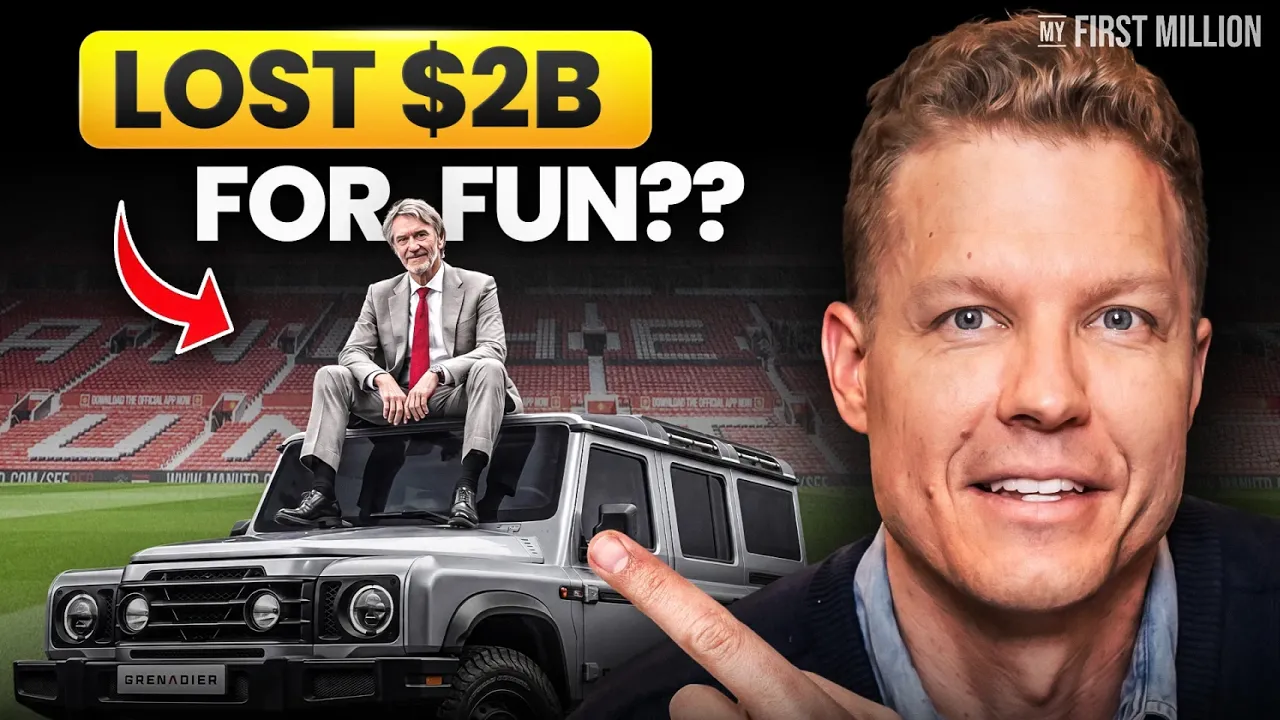
Description
*Get Shaan's $0-$1M guide:* https://clickhubspot.com/bzj1 Episode 823: Sam Parr ( https://x.com/theSamParr ) and Shaan Puri ( https://x.com/ShaanVP ) talk about their billy of the week, childhood passions and people making millions on TikTok selling stuff. — Show Notes: (0:00) Billy of the week (8:25) Raising kids with an edge (13:37) childhood passions (26:44) Random TikTok People Are Making Millions Selling Hoodies (42:11) the best brands start janky — Check Out Sam's Stuff: • Hampton (joinhampton.com): My community for founders. Average member does $25m/year. Many of the guests are members. Get after it...apply: http://joinhampton.com/mfm — Check Out Shaan's Stuff: • Shaan's weekly email - https://www.shaanpuri.com • Visit https://www.somewhere.com/mfm to hire worldwide talent like Shaan and get $500 off for being an MFM listener. Hire developers, assistants, marketing pros, sales teams and more for 80% less than US equivalents. • Mercury - Need a bank for your company? Go check out Mercury (mercury.com). Shaan uses it for all of his companies! Mercury is a financial technology company, not an FDIC-insured bank. Banking services provided by Choice Financial Group, Column, N.A., and Evolve Bank & Trust, Members FDIC • I run all my newsletters on Beehiiv and you should too + we're giving away $10k to our favorite newsletter, check it out: beehiiv.com/mfm-challenge My First Million is a HubSpot Original Podcast // Brought to you by HubSpot Media // Production by Arie Desormeaux // Editing by Ezra Bakker Trupiano /
Summary
Generated by claude-haiku-4-5-20251001Summary: What Palmer Luckey Does When He's Not Building Billion-Dollar Companies
Main Topics
- Jim Ratcliffe's Business Philosophy & Side Quests
- How successful entrepreneurs use wealth for passion projects
- The value of "side quests" and the "fuck you attitude"
- Palmer Luckey's various ventures beyond his core companies
- Childhood Development & Success
- The "golden window" (ages 8-18) for specialization
- How early obsessions predict adult success
- Personality formation and the role of adversity
- Social Commerce & E-commerce Evolution
- User-generated content (UGC) as a marketing strategy
- How brands are using TikTok creators for product sales
- Profitability and defensibility of social commerce models
Key Points
Jim Ratcliffe Story
- Built INEOS from £80M acquisition (£3M equity, rest debt) in 1990 to a £40B revenue company
- Uses his wealth to fund passion projects: cycling (Team Sky), F1 (Mercedes), sailing, marathons
- Created Grenadier car company out of spite when Jaguar wouldn't remake the Defender
- Lost £2B on the car venture but represents his "do it just because" philosophy
Palmer Luckey as Role Model
- Sold Oculus for billions, then created Anduril (defense tech worth ~$100B)
- Side quests include: hunting for aliens, creating ModRetro (Game Boy/N64 handhelds), wearing Hawaiian shirts
- The "fuck you energy" combined with genuine confidence and willingness to learn
- Wears Hawaiian shirts from childhood poverty as a badge of authenticity, not insecurity
Childhood & Specialization Theory
- The Golden Window: Ages 8-18 are critical for brain development and specialization
- Examples: Bill Gates (coding), Mark Zuckerberg (programming), MrBeast (YouTube at age 12)
- School pushes generalism (30 minutes in 8 subjects) when children should go deep
- Successful people often come from disadvantaged backgrounds with "insatiable hunger"
Finding Your Path
- Listen to the "faint whisper" of what you're naturally drawn to, not what society tells you
- Look back to what you were obsessed with age 8-14:
- Sean's improv class led to duo improv podcasting
- Building/tinkering becomes founding companies
- Video game franchise mode → being GM/investor rather than operator
Dan Brown Example
- Father put treasure maps under Christmas tree instead of gifts
- This childhood game of puzzle-solving inspired The Da Vinci Code and 200M+ book sales
- Childhood obsessions can be infinite sources of adult inspiration
Social Commerce Model
- What it is: Everyday TikTok creators post UGC videos about products and earn affiliate commissions
- Scale: Instead of 10-20 in-house creative assets/month, brands get 3,000-5,000 pieces of content
- Success: Comfort, Goalie, Ridge went from zero to hundreds of millions in revenue in 1-5 years
- Creator incentives: Basic commission (15-20%) + tiered rewards (trips, cars, condos) for top performers
E-commerce Strategy Evolution
- Old model: In-house team creates ads, runs Facebook/Google ads (40-50% ad spend)
- New model: Crowdsource creativity, only pay on sales (20% commission vs. upfront ad spend)
- The "hive mind" improves monthly as creators remix what works
- Examples: Athletic Greens, Native deodorant (Moise's $100M exit) started janky, got legit
Profitability & Defensibility
- Social commerce brands ARE profitable (low upfront costs, pay-per-sale model)
- BUT they lack defensibility—if the tactic stops working, growth dies
- Better strategy: Build strong product + brand first, add these tactics on top
- Goalie & others grew fast but tanked when caught manipulating Amazon reviews
Notable Quotes
Palmer Luckey on Hawaiian shirts:
> "I grew up really poor and didn't have money for new clothes. I wore my dad's old Hawaiian shirts every day. I got made fun of, but that's all I had. When I sold my company, I tried to change and be fancy, but actually I'm just going to wear the shirts I like. I don't need fancy clothes to validate me."
Jim Ratcliffe on the Defender car:
> "What's wrong with that? They're fucking great cars." (When told new cars don't meet safety standards)
Moise on learning deodorant business:
> "Today I know nothing about deodorant, but in six months I'll know everything there is to know about deodorant."
On building confidence:
> "The advice to someone who wants to be confident is: go have more adventure and adversity. You get hardened by confidence over time because the more adventure you face and survive, the next thing doesn't seem scary."
Takeaways
- For Parents: Observe children's natural obsessions (ages 8-18) and feed them rather than force generalism. Success often comes from childhood passions, not formal instruction.
- For Entrepreneurs:
- Use wealth to pursue "side quests"—the things you genuinely care about, even if unprofitable
- Don't force yourself into the wrong niche; align business with natural talents
- Social commerce works for rapid growth but lacks defensibility—pair it with real brand building
- For Career Decisions: Look back at what you were weird about as a child. That faint whisper of natural inclination matters more than external pressure to "succeed."
- The Moise Model: Start janky and fast, then legitimize. Go from UGC/affiliate playbooks to building real brand equity, just as Native went from kitchen-table deodorant to Target's best seller.
- Confidence Building: It's not genetics—it's accumulated adversity and adventure. Put yourself in unfamiliar situations repeatedly and confidence follows.
Transcript
I got something to show you. Do you want to hear a story? Does it have to do with those glasses? No, but I am a cool guy, so that's why I decided to wear them. All right, I have one interesting thing that I could bring up. Let's do it. Billy of the week. We haven't done that in a minute. I have an interesting person. Billy of the quarter? I guess since we have the quarter, haven't done this in a while. Well, it's the Billy of this week. We just don't do it every other week. Have you heard of a guy named Jim Ratcliffe? Sir Jim Ratcliffe? No, I don't know who that person is. Okay, so listen to this. Here's a story. This guy named Jim Ratcliffe. He's really interesting to me. So he's born in Manchester, England, which is a blue collar area. It's the Boston of England. You know, white blue collar, hard-working, poor. He studies chemical engineering. He becomes a chemical engineer at an oil company, but things are only going okay. Then he has a background in accounting. He studies accounting and chemical engineering in college, and he gets a job at a PE firm at the age of 35. He's like, this is amazing. This is a great way to make money. I like making money. But at the age of 40, he was like, all right, I've worked for another guy long enough. I want to try and do this on my own. He doesn't have a ton of money. I think he had a home that he owned and he had about 100 or 150 grand to his name, and this was in the late eighties. So he partners up with a guy, and they're like, okay, we've been buying companies for our employer, the firm that we worked for. Let's try and do it on our own. They convince some of their old clients, some of their old LPs, to invest in them. They spend about a year looking for a company. With three million pounds in equity, they buy an 80 million pound company that is a spinoff of BP. Basically, BP, the oil company, owns a chemical division which makes chemicals. So, for example, your toothpaste has fluoride in it. Well, someone has to get the fluoride, or whatever chemicals make plastic packaging. They buy that unit from BP for 80 million pounds, of which three million pounds was equity and the rest was debt. So a really heavy debt situation. He mortgages his home, he uses 100 percent of his money. He has two kids and a wife. They're like, my wife and I, we talked about it for six months. Should we do this? Is this going to ruin us? Is this going to ruin our careers? We're going to use all of our money. But you know what, we have to take a risk. So he does that in 1990, I believe. By 1997, it works. This 80 million pound company is now worth about a billion and a half. That's how he makes his initial money. Over the years, he's kept that one thing. I think it's called INEOS. It's the name of the company. It's a chemical company that you probably have never heard of, but today it does about 40 billion dollars in revenue, employs tens of thousands of people. It's one of the largest chemical companies in the world at this point. Basically, the way he's grown is a combination of PE and his chemical engineering background. So he understands chemicals, but his whole approach was finding spinoffs that conglomerates didn't want to own anymore because it was a distraction. He would buy it, and his goal was to double the EBITDA in five years. That's standard stuff. But at this point, he's the number one, number two, or number three richest person in England. Amazing. But the more interesting part in my opinion is what he has done with his money. So check this out. Do you remember the two-hour marathon with Eliud Kipchoge that Nike did four years ago? Yeah, recently, right? Well, someone actually just broke two hours recently. But four years ago or three years ago, there's this amazing runner named Eliud Kipchoge. They set up the world's perfect setup for him. They had a pace car that was perfectly in front of him that went at pace for an hour fifty-nine minutes. They did it on an F1 track so it was perfectly flat. They let him wear shoes that weren't technically allowed in sanctioned races, but he was like, you know, this is just a spectacle. Let's do it. He broke two hours in the marathon. Well, Jim Ratcliffe is a huge sports nut. He's run 50 marathons, he's gone to the North Pole, the South Pole, he's climbed all these mountains. He's one of these crazy guys. He was the underwriter of that. He paid for the whole thing just because he also owns a ton of different sports leagues. He owns Team Sky cycling, the team that won the Tour de France eight times. He owns one third of Mercedes F1 team. He owns one of the best America's Cup sailing teams. He owns 25 percent of Manchester United soccer team. He used to own Chelsea, which is a big soccer team. But the really cool thing he's done recently, have you heard of a car called the Grenadier? Have you seen this car? Google this car and tell me if you've seen it. It looks like a G-Wagon or a Defender. Yeah, yeah, it looks a lot like a G-Wagon. Okay, so check this out. In 2016, this guy Jim loves Defenders. The thing about Defenders is Land Rover, and I think Land Rover is owned by Jaguar. Jaguar still makes the Land Rover, but the real famous ones are the old ones from the eighties and late nineties. Those are really cool. They're really boxy. Enthusiasts love them and they pay sometimes hundreds of thousands of dollars for these cars. You can't really buy new parts anymore because Jaguar just quit manufacturing it. He is a huge enthusiast of the Defender. He loves it and he's a rich guy. So he was able to get a meeting with someone high up at Jaguar. They go to a bar called the Grenadier Bar. Jim is trying to persuade them. Like, hey, I'll even help pay for the tooling. Is there a world where it would be fun to remake some of the parts for the Defender? Because the Defender is the most comfortable off-road car, but unlike a lot of new cars, it's still got a little edge on it. It feels not too luxurious. It feels like a proper off-road car. They're like, no, man, this doesn't make sense. We're not going to do it. So he's like, you know what, fine. I'm just going to create a car company. That's what we're going to do. Within his chemical business, they create this thing called the Grenadier. It's an SUV that you just saw. I think it sells for about 80 or 90 grand. It has a small cult following in America. it could be for shits and giggles it would be fun let's remake some of the parts for the defender because the defender is the most comfortable off-road car but unlike a lot of new cars it's still got a little edge on it it feels not too luxurious it feels like a proper off-road car and they're like no man this doesn't make sense we're not going to do it so he's like you know what fine I'm just going to create a car company that's what we're going to do and so within his chemical business they create this thing called the grenadier it's an SUV that you just saw I think it sells for like 80 or 90 grand it has a small cult following in America I think it's pretty big in Europe as well and he's like screw up we're going to make a car company just because I love these cars so much but they don't make them anymore so I'm going to make what I think it should be the way it should be done and so there's this famous line where just to give you an idea of what he's like he said it's the most comfortable off-road vehicle bar none and the journalist says like yeah but those late models they don't fit the environmental standards of today nor are they really that safe and he was like what's wrong with that he goes what's wrong with that they're effing great cars and so he starts making these cars and that's where we are now so these cars have a huge cult following in America a bunch of my car nerd buddies like them they're known for being sparse in the interior so if you look at the interior they've got these switches that look like switches from a tank a little bit it's all mechanical stuff and they're kind of a pain in the ass and the truth is that it's a horrible business since 2018 he has lost two billion dollars on this car company last year the company was negative 300 million dollars in profit it's not going so good but it's awesome [SPEAKER_01] all right let's take a quick break this podcast is called My First Million and it's probably the question we get asked the most how do I go from zero to making my first million and so I did an episode a little while back where I broke down exactly the philosophy and frameworks that I would use so things like finding your white belt business or identifying your bear on the unicycle advantage the core way that your two skills can overlap or why maybe starting a service business is better than starting a software business for your initial businesses to make that first million and so the team at HubSpot has created a guide that took the stuff I said in that episode they laid it all out for you you can get it for free in the description below just click that link and it's all yours [SPEAKER_01] all right back to this episode what do you love most about this guy he's got a you attitude that I really dig I really like if you google him you'll see that he's wearing a Barbour wax jacket which is an adventurer's jacket it's wet kind of rough and tumble blue collar guys wear it it's work wear and I appreciate that he still has a little bit of edge to him even though I think he's like the 90th richest man in the world so I really appreciate that and I also appreciate that he does just because yeah there's something great about the I don't know if you want to call it side quests or the just because or the fuck you attitude but I think both of us love that I have this thing that I keep running called the side quest hall of fame and it started because Palmer Luckey was on Joe Rogan you know Palmer created Oculus we created the leading VR headset sold it for a few billion to Facebook then he created Anduril the leading the first significant tech company that was doing defense stuff it's worth like whatever 100 billion dollars whatever it's worth right now and he goes on Rogan and he says oh you know what I want to do next and I'm expecting him to say a company like another startup and he's like I want to create a privately funded version of the X-Files he's like I just want to go hunt for aliens and he's like I'll fund it and then we'll go find them we'll figure out what's going on he's like I feel like the government's not telling us everything I was like well that would be an epic use of this person's talent and money and you know since then he's done he did this thing where he basically brought back the Game Boy I own one I was about to bring that up he's done N64 and Game Boy yeah he's got Mod Retro and so he's just he does cool and then you know he's dresses eclectically all the stuff and I saw this video recently that I thought was a more endearing side to him did you hear the video about why he wears the Hawaiian shirts [SPEAKER_01] no someone made fun of him one time and he was going to do it out of spite well he was like we grew up he's like I grew up really poor and so I didn't have any we didn't have any money for new clothes so I had to wear my dad's old Hawaiian shirts every day that's all I had my wardrobe was seven of these and I wore them and I got made fun of but that's all I had so I wore them and he's like and then when I sold my company he says something where it's like I got some money and I tried to change like I tried to change and then he's basically reverted he was like actually I'm just going to wear the shirts that I like and I know and this is what I'm all about and I don't need the fancy clothes to validate me as like I've done it and I love that I just think he carries that fuck you energy with him pretty much everywhere a thing that he has that I don't find him to be a hardass I don't find him to be insufferable I find him to be someone who's confident in his opinion and you could challenge him and he's open to new ideas but he's very confident I find him like at a very young age I mean when we talked to him I think he was 33 and he was saying like here's the thing about defense contractors they're doing this wrong that's a very bold thing to say right and I appreciate that about him and I used to meet these people and I used to think how do I become like that but now I think how do I raise children that are that way how do you raise kids that are that confident at such a young age but not in an insufferable way and also in a way where I think they've backed it up by studying whatever they're going to say have you ever thought about what do you think his parents were like I guess you said he raised poor so he had a not a wealthy family and yet they still were able to instill the sense of like you can do it and you can figure this out [SPEAKER_01] well I'm not sure how much it is watering the plant versus the soil you grow up in so for example there's a reason that the most successful people on earth typically come from disadvantaged backgrounds you go look at you know why is That are that way. How do you raise kids that are that confident at such a young age but not in an insufferable way and also in a way where I think they've backed it up by studying whatever they're going to say. Have you ever thought about what do you think his parents were like? I guess you said he raised poor, so he had a not a wealthy family, and yet they still were able to instill the sense of like you can do it and you can figure this out. [SPEAKER_01] I'm not sure how much it is watering the plant versus the soil you grow up in. For example, there's a reason that the most successful people on earth typically come from disadvantaged backgrounds. You go look at, you know, why is dyslexia so common amongst successful people? It's disproportionate. You would expect it to be the proportion of dyslexia in the population, but no, it's a higher percentage in successful people. Or you know, why are so many athletes from poor families and single mother homes and things like this? They don't have all the training and the advantages and the best gear and the best anything, right? But they have the one thing that can't be bought, which is this insatiable hunger. So I think that confidence is a byproduct of the adventure and adversity you've faced in your life. You don't just say be confident. Actually, the advice to somebody who wants to be confident is go have more adventure and adversity. It will get you hardened by confidence over time because the more adventure you do where you put yourself in unfamiliar situations, or the more adversity you face and you come out still surviving, even if you didn't win, you survived. Then the next thing doesn't seem all that scary. You sort of think to yourself, well, I did all those things, of course I can go into this new unfamiliar situation and thrive as well. So I think that the confidence is not so much like parents told you, but the environment. If you grow up and you're poor but you're tinkering or you're nerdy or you have access to certain books, it's amazing how these very small things make a difference. There's a story I read this morning actually about Dan Brown. You know who Dan Brown is? The author. He wrote The Da Vinci Code. Oh okay, a bunch of other thriller adventure books, right? Where the hero goes on a quest. They're solving puzzles they gotta figure out. [SPEAKER_01] Growing up, Dan did not find Christmas gifts under his Christmas tree as a child. His father, Richard Brown, a math teacher, instead put a treasure map under the tree. Dan would have to follow the treasure map for a trail of clues all over the house and sometimes all over the neighborhood until he finally found the present. This sparked a deep love of solving puzzles, cracking codes, and hunting treasures. He channeled this into The Da Vinci Code, Angels and Demons, and other thrillers that have sold more than 200 million copies, all about cracking ciphers and untangling coded messages, which is the heart of his books. A lesson from this: a childhood obsession can be a source of infinite inspiration. If you want to seek a meaningful quest as an adult, look towards the childhood toys and games that you couldn't get enough of. There may be clues in there. It's so funny that sounds like a cute thing, but there's been so many times and I wonder if there's actually research that verifies this. There's been so many times we had Robert Greene on MFM a while ago and that was really great. He said to find the thing that you want to dedicate your life to, you have to do something that sounds easy but it's really challenging. You have to revert back to what you were like as a twelve-year-old before you had people who put pressure on you, before you realized that something was stupid or uncool, and before you got jaded. When you were excitable, you have to ask yourself what was that thing. I've heard people talk about this constantly: in order to be great as an adult, you have to do this challenging thing of pretending to be a kid and asking where were you weird as a child. Yeah, what would it be for you? [SPEAKER_01] If you think back to that era, what were you doing? You're twelve, thirteen, fourteen. Let's take this window of eight to kind of fourteen years old. Skateboarding a ton. I was skateboarding a ton and I was always taking apart remote control cars and building them back in interesting ways to get out of doing chores. For example, I spent a whole six months trying to rebuild a remote control car so it had a mop on it because I hated sweeping the floor. I distinctly remember doing that and being obsessed with it and building model airplanes, assembling things that had clear instructions. I loved doing that. [SPEAKER_01] So in a way, you chose to build things instead of doing nine to five, instead of doing a job. Yeah, well, I also loved selling CDs. I remember I used to make like thirty dollars selling like three dollar burned CDs, and I loved doing that. For the longest time I thought I was going to be in the entertainment industry. My hero was Ari Gold from the TV show Entourage. I went to Belmont University because they had this degree called a Music Business degree, which I made it through three years and then I was like, I'm going to drop out of school. Just give me the easiest degree I can get with the credits that I got so I didn't get to complete that degree. But the reason I got into media and the reason why I probably enjoy doing this and working in the content game is because I wanted to work with entertainment people. But then I realized that Hollywood is full of idiots and I hated them. But I can build my own little world like that. [SPEAKER_01] I don't know how much of this is horoscopes or whatever where you just try to backtest and fit anything into it. But I just was in Austin yesterday and I did a podcast with Monish Bryan. Monish has this thing where he tells these stories about Buffett. He says his theory is basically that a huge percentage of your personality is pretty hardwired and baked by the time you're five years old, and you don't want to spend your whole life fighting your nature. That's the first thing. Then he says that for kids we do pretty much the opposite thing we're supposed to do. He says the human brain, if you just look at brain science, is that there's a golden window between, I think he says the ages of eight to eighteen. So there's this ten year window where a child's brain is developing in such a way that it can specialize and do some incredible things if you specialize during that window. If you go look at Bill Gates when he was coding or Mark Zuckerberg when he picked up programming or MrBeast when he started doing YouTube videos at age twelve, it's often that these people who become the extreme performers were doing something pretty specialized during this golden window. He's like in school we tell them to do the exact opposite. Hey, go to school, spend thirty minutes in eight different subjects, don't go an inch deep in each one, don't care about anything, don't specialize, become this super generalist. [SPEAKER_01] developing in such a way that it can specialize and do some incredible things if you specialize during that window and the people who do—and if you go look at Bill Gates when he was coding, or Mark Zuckerberg when he picked up programming, or MrBeast when he started doing YouTube videos at age 12—it's often that these people who become the extreme performers, they were doing something pretty specialized during this golden window. And he's like, in school we tell them to do the exact opposite. Hey, go to school, spend 30 minutes in eight different subjects. Don't go an inch deep in each one, don't care about anything, don't specialize, become this super generalist. And that's the factory model that we have. So he's like, it's we're doing them a disservice. He's like, your job as a parent is by five, their nature is somewhat baked. You observe it. And eight to eighteen, if they show an interest or an obsession in anything, feed it, let them go crazy with it, let them get obsessed. And lastly, get them around as good of a peer group as you can. Those are really the only things you're going to be able to do, is his opinion. I don't know if I fully agree with that, but I think it's interesting. And then he tells a story of Buffett. He's like, you know, when Buffett was a kid, he did all kinds of little hustles, right? Like he would buy a thing and he would sell it—coke bottles and pinball games inside barbershops. But one of the things he loved to do was he would go to the racetrack and he would watch other people betting. He didn't bet—he was a kid—but he would watch other people betting, he would watch the horses, study the track. And then what he would do is at the end of the day, he would go collect all of the discarded betting slips. You know, people go to the horse track, they drink, they watch the thing, they're having a good time, they just chuck away their betting tickets. And he would see that, oh actually, this wasn't a losing ticket. Actually they got a third place payout here—they didn't realize it. Or they got a second place payout here—they didn't realize it. He would collect all of it, and you know, 80, 90 percent of it is trash, but if even 5, 10 percent he could make some money, then he would ask his aunt to go cash the tickets for him. And that's how he made money. And it's not that different than what value investing is, right? He would go look at a thousand companies, a thousand tickets. You know, most of them are rubbish, but when he found one that had hidden value, he would pounce on it and he would make money. And that's essentially how Warren Buffett invested for the first, you know, whatever 10, 15, 20 years of his investing career. And he bought his first stock when he was seven. So he was doing things in this golden window as well, which I think is interesting, especially for you and I—we have kids not at that exact age yet—but I think about that stuff. I don't know to what extent you can control it or want to try to control it, but it does seem like it's worth knowing that and looking out for the right signals rather than being blind to it. There's this—I'm not religious but I grew up going to Catholic school and you got to read the Bible a lot. And there's this Biblical story where it's like someone's by a volcano or something, or I forget what it is, but there's this really loud noise like an earthquake or a natural disaster. And then they're told, like, you have to listen to God, what God's telling you. And they're like, well, I hear this really loud noise, but I don't hear a person talking to me. And they're like, even when things are really loud, the whisper, or the God talking to you, it's going to sound very faint in a whisper. And that's the challenge—you have to really pay attention when there's a lot of loud noise, because the most important stuff is just going to be a really faint whisper. And you have to try and hear it. And I don't really care about the message when it comes to God on that one, but I do think that's what this thing is. Because it's like, whatever you're being told what to do, or you feel compelled to, it's a lot of times it's not a yell. It's this really small whisper that you have to listen to. And that's quite challenging. It's really hard to try and listen to where you're being drawn to, you know, or where your energy is pulling you to. It's not a push. It's a very, very, very small, faint nudge. [SPEAKER_01] Right. Yeah, there might be false positives along the way and it's only obvious in hindsight. When I was thinking about that, like, what was I doing when I was 12? Because I wasn't really selling lemonade as a kid. And I used to actually be insecure about this. I was like, I wasn't really flipping CDs and sneakers and whatever. The pattern I see now that I invest in a lot of founders—I'm like, I didn't really have that. The light bulb didn't come on for me at least in terms of trying to do business until I was 21. And frankly, I don't think I'm the best entrepreneur or CEO anyway, so maybe that's true, that that was the signal. But there were a couple of signs that when I did think back and I actually took more time to think about, I was like, what the hell was I doing back then? What was I really into, in a way that, or what was I naturally pretty good at that I didn't maybe pay as much attention to, but now I can think about it? And the two that came to mind: I randomly entered an improv class and improv competition when I was in sixth or seventh grade, and we made it to the Texas state finals or whatever for what we were doing. It was duos improv, which is what this is—this is duo improv, what me and you do twice a week. And that actually did come pretty easily. I did have a lot of fun doing it. I didn't triple down into it because, you know, life happened, my parents didn't help me, and I didn't know to ask for it. But there was a signal there of like, hey, you kind of like this—making things up, thinking on your feet, riffing off a partner. If there was another way to do that, what would that look like? And I don't think I could have predicted podcasting, but it does make a little bit of sense now that I did a podcast the other day and someone asked about you, and I was like, in another lifetime, or maybe even this lifetime, Sean's going to be either a comedian or something in show business. [SPEAKER_01] Yeah, I was in a movie or two when I was a little kid, in the same era—sixth, seventh, eighth grade, something like that. And the other one that I noticed: I love video games, which is pretty common. You know, boys love video games. But the way I played video games was a little bit weird. So if I said, hmm, what was—let's pay attention to the weird. You know, I used to play Madden or NBA 2K, but I would basically never play the games. I would only do franchise mode. did a podcast the other day and someone asked about you and I was like in another lifetime or maybe even this lifetime Sean's going to be either a comedian or something in show business. [SPEAKER_01] So yeah, I was in a movie or two when I was like a little kid, like in the same era, sixth, seventh, eighth grade or something like that. And then the other one that I noticed was I love video games, which is pretty common—you know, boys love video games—but the way I played video games was a little bit weird. So if I said, hmm, what was it, let's pay attention to the weird, you know, I used to play Madden or NBA 2K, but I would basically never play the games. I would only do franchise mode, which is just where you're the general manager, you're building the team, drafting the players. You're basically making bets, you're investing essentially—like scouting, investing, simulating to see the result—and I would just simulate decades in these games without ever playing the actual game. And my sister would make fun of me like, are you ever going to play this game? What is this, a fantasy roster you're building? But yeah, I don't know. I think it's interesting to go look back. I'm not sure again how much of it is forced narrative versus reality, but maybe there's something to it. I've now heard this enough times where I kind of got to take it somewhat seriously. And I think it is important because it's like when you are screwing a screw into the wall or whatever, and if you start out crooked, right, if you're at the wrong angle, no matter how hard you push it, it's just constant friction. You're breaking the wall, breaking the screw, and breaking your own wrist trying to make it go in. And then if you get things aligned right, it's like, oh, just four spins to the right and click. And I feel like a lot of my life was pushing screws into walls at the wrong angles, you know, trying stupid projects, trying things that weren't really in my nature, trying to be somebody who I wasn't. And man, life got a lot easier and it got a lot more successful when I figured out, like, oh, what am I actually naturally pretty inclined to doing? What do you think you figured it out? [SPEAKER_01] Yeah, I think what we do is probably the closest approximation to it. Like, if I look at what I do today, I get to nerd out on topics, which has always been something that I would do. I would always go down these rabbit holes. And then this kind of duet improv type of thing, like being able to riff on topics and being generative with ideas, has always been good. And then the other side of it is investing. I don't want to play the game, but I like being the GM. I like being the franchise mode of doing this. And so I've had way more success investing or even incubating companies with other CEOs as operators. Right, like in our portfolio, probably just in the companies we own a big chunk of, there's like four companies or so where there's four CEOs and I don't do any of the day-to-day work, and it's performing so much better than back when I used to do my own startup and I was all in on it. So it's a better fit for me to do that. I didn't know you had four. You're doing that? You don't even talk about it. [SPEAKER_01] Well, I want to talk about some of them soon. Hopefully I will have some news sometime in the next few months that I can come on in and start to tell these stories. What did you think of Austin? Austin is a funny place. [SPEAKER_01] I went to my hotel room and I walked in and housekeeping was in there, but I was surprised, and I came out and I told Ben, I go, y'all got white housekeepers here? I had a white housekeeper that my wife hired and I was like, I bet you she's going to be a drug addict. And I was right, she was a drug addict. I don't hire these guys anymore. It's like there's this great stand-up bit where someone—I forgot who, maybe Aziz or it was someone—an Indian comic was talking about how they made it, and they were like, I'm going to go adopt a white baby, like bring a white baby to events and stunt on people because it's like, yeah, I adopted a white child. So I don't know, Austin's a fun place. [SPEAKER_01] I mean, one interesting thing is because we're in Austin, which is a much more populated city, and we were just sitting in a coffee shop basically working all the time, so many people came up that love the podcast. That was crazy. And then they would tell me their story. It's like, oh wow, so you know, it's almost like you get a lot of ideas for the podcast just talking to these people. This guy came up and he's like, I'm all in on social selling, social commerce. I know those two words apart, but what, together, what does that mean? And he's basically like, you know, there are people who are making hundreds of thousands, if not millions of dollars, just making TikTok videos for products, and they're just getting affiliate fees, just making content. And they're not influencers, they're not famous people, but they make the best way to sell this soap, this teeth whitener, these leggings, this hoodie. And they're generating, you know, forty thousand a month, one hundred thousand a month, two hundred thousand a month, four hundred thousand a month. What platforms? [SPEAKER_01] TikTok and whatnot. So there's like live selling that's like Whatnot and TikTok, and then there's like short form video. And I mean, I wasn't unfamiliar with this concept—we use it in our e-commerce brand—but it's amazing just to hear the individual person's story. It's like, yeah, she worked at this hair salon, and then she just took the product from the hair salon and started talking about it on TikTok. She doesn't have a following, but the way TikTok works is any video—it's like America's funding some videos. Any video gets to have its day on the For You page. And she realized, like, wow, if I just get good at kind of authentically—and I use quotes because it's obviously not authentic—but they tend, they don't look dressed up, they're not in a fancy place, they're in their bedroom, they look like they're just talking informally to you. Like, hey y'all, I just want to tell you about this. Oh my god, this thing, whatever, this is. And they're just making a killing on it. And so this guy was trying to build an agency around it and a podcast around it. What's an example product? Soaps you said? Just anything? [SPEAKER_01] Anything, dude. I don't know if you've seen it. Have you? Are you tapped into this wave of what's going on? No, I don't. I don't have a TikTok and I've seen Whatnot, but I buy a ton of stuff off eBay, so I know about buying stuff. I'm not stupid. So I don't know what you're talking about. I read it's not part of the eBay trend, right? Like, this is all new. This is not eBay. What I mean is social commerce. It's all new products. It's not used. It's just commission-based. [SPEAKER_01] You know this guy was trying to build the agency around it and a podcast around it. What's An example product soaps you said just anything anything dude. I don't know if you've seen [SPEAKER_01] Have you are you tapped into this wave of what's going on? No, no, no, so I don't. Have a TikTok and I've seen Whatnot but I buy a ton of stuff off eBay so I know about buying you stuff. I'm not stupid and so I don't know what you're talking about. I read it's not part of the eBay trend right. Like this is all new eBay. This is eBay. What I mean is social commerce. It's all new products. It's not eBay. It's just commission based. They're selling someone else's stuff and they're getting an affiliate fee. They're not [SPEAKER_01] Selling. They're not without permission so it's not like they needed to cut a brand deal right. Got it. You just grab the product from the shop and then you sell it and then brand starts. And then brands can see if you move product right. You move weight on your corner and then they start sending you free to try their stuff and then you could try to sell their stuff and if it works it works right. And if your video is good then the brand puts ads behind it. So there was a really good podcast by our buddy Sean Frank. I think their podcast called The Operators Podcast, e-commerce specific podcast and he did one with the CEO of Comfort. Have you heard this brand FRT? I see that guy and I see this other guy named Greg Lubecky who started a thing called Bloom which I think is energy drinks but I'm seeing these guys all over the place and they're using phrases that I've never heard before. I knew what UGC was but they're using it in a way different phrasing and they're also implying that they have tens of thousands of people making this content on their behalf and this is a totally foreign concept to me. So this company Comfort as far as I could tell the total outsider went from something like zero to 500 million dollars a year in revenue in like five years. I went to their website it's just a fleece a hoodie I [SPEAKER_01] Think right. Yeah, super basic hoodie but yeah. So they're a good example of this. How big did they get to? So the model is this. The model is you have a product. The old way of selling it was the last 10 years was you run Facebook ads and you run Google ads and for both of those ads your team makes the content. You typically will have an ad creative team in-house, one two ten fifteen people. Their job is to come up with concepts, they do photo shoots, they do scripts, they do static images, give it to the designer, the editor, you make it, you run it, you see what works, you're putting paid ads. That's what's been working well. There was a new game in town and if you remember I kind of hinted at this maybe a year or two ago where I said I invested in this company and it's gone zero to 30 million in revenue in like a few months. It was like, can you say what it was? [SPEAKER_01] I can't. I don't want to say the exact. So the brand blew up. It was in a bad way, not the good blow up. It was a supplement brand. It was crushing it. The product was all fine but they got banned off Amazon because they were manipulating reviews of other companies or something like that, of other brands or something, and so Amazon was like, oh you guys were the ones who wrote a bad review about them. Boom, shut down. Yeah, they're doing. They weren't playing by the rules. Ruined the company. But I think I even told you at the time I go this is growing faster than any e-commerce brand I've ever seen. Zero to 30 million in a couple of months. I think I told you I was like I hope I can come on in a year or two and say the playbook that they use. Well, the playbook is more or less out now, two years later, which is that what e-commerce brands do is you basically gift or seed your product out to not one, not ten, not even a hundred but maybe thousand creators that are out there. These creators are everyday people, non-famous people, not influencer, not micro influencer, not influencer, person with time on their hands who has been on TikTok and Reels enough to know what type of content could work. Those people will make sometimes just one video but what ends up happening is that they realize oh I should just make 30 to 40 videos a month. I should make a video every day and I'll have multiple accounts and I'll post it and I'll. So they basically rapidly test content. Now you've got instead of having an in-house team of a couple people doing 10 to 20 creative assets a month and usually just thinking inside the box because it's like this is my job, this is what I do, I work at the company, we have a way of doing things, you're just letting the market. They're letting the crowd figure this out. You're crowdsourcing your creative. That's UGC means user-generated content. So you're getting in a given month three thousand five thousand different pieces of content that go out there, most of which get absolutely no views but a few of which pop off. Then all of them look at you. Then you tell all the creators who are on board, you say look at this works best. This worked. Then they all start to remix. The hive mind gets smarter every single month. They keep trying to do it. They keep trying to one-up themselves. Brands like Goalie, Goalie's a gummy like vitamin brand, I don't know if you've seen their commission structure for this. They started out with apple cider vinegar gummies and grew it to whatever 500 million or something in revenue in very short order. What and then they got slapped on the wrist and they kind of tanked and they're coming back, whatever. But the point is they were pretty aggressive on this model. What they were doing was as they found good creators who were good at making this content, they started incentivizing them more than the commission. So there's a default commission on these platforms right, 15 20. You set your commission. What's the platform? TikTok. So you find all your influencers on TikTok usually. Yeah, wow. And so what you do is you go to those TikTok influencers again, sorry, not influencers, TikTok creators, and they get a commission. So again, just to describe the system, it's crowdsourced, it's way higher volume. So you're talking about thousands of pieces of content a month instead of maybe a hundred. You don't control it, you don't operate it in many cases, you never even met them. They just pull up your product and your shop listing and they just decide. You just say if you're an affiliate use this tag so that you get paid if you sell product right. That's the core idea. Now what happens is on top of that Goalie started going crazy. So they were like if you do ten thousand dollars you get 15 commission. If you do a hundred thousand dollars you get a trip to Miami. [SPEAKER_01] get a commission and so again just to describe the system it's crowdsourced it's way higher volume [SPEAKER_01] so you're talking about thousands of pieces of content a month instead of maybe a hundred [SPEAKER_01] you don't control it you don't operate it in many cases you never even met them they just pull up your product and your shop listing and they just decide you just say if you're an affiliate use this tag so that you get paid if you sell product right that's the core idea now what happens is on top of that Goalie started going crazy so they were if you do ten thousand dollars you get 15 percent commission if you do a hundred thousand dollars you get a trip to Miami you do a million dollars in a month you get this condo in Miami you get this Lamborghini they started giving away crazy I'm making up the tiers right the math made sense for them but they have this like one cheater that Goalie was giving creators and the top thing was a condo in Miami the next thing was a Lambo then it goes all the way down to just a bracelet you go to Chuck E. Cheese and there's the prize wall and you end up with the shitty rubber frog but up there is the Nerf blaster and they this is basically the model that they were doing and so there's been several brands that mean several hundreds of brands that have aggressively used this strategy and yeah it works it works very well what I'm looking I just Googled it it said that they went from zero to four million dollars a month in 30 days oh they got way higher than four million a month [SPEAKER_01] they maybe they've done 30 days but they went way high way past that okay so let me ask you a bunch of questions this is so fascinating to me one is this stuff profitable so a company like that got however big so four times 12 is 36 million so they were at least doing 36 million a month they were probably doing hundreds of millions a month if you're doing that amount of money are you actually creating a valuable company well you asked two different questions is it profitable and is it a valuable company when I say profitable I'm going to say cash flow positive should be profitable here's just basic math let's say you're giving a 20 percent commission so a way to think about that is you outlaid no cash up front so no ad spend this is they take the risk of making the content if they sell then you pay so you pay out of the revenue not up front the way that normal ads work right I go to Facebook put 10 grand in I have no guarantee I get anything out so with this I only pay when they sell I pay a fixed percentage of the revenue that they sold for so let's say it's 20 percent well that means my marketing spend is 20 percent of revenue now a normal e-commerce brand is spending somewhere 20 to 50 percent depending on their level of aggression what phase of the business that they're in et cetera usually at the beginning they'll run 40 to 50 percent aggressively to get a big customer base and then those customers hopefully will repeat buy and that's where the profits come from those customers and then over time your ad spend as a percentage of revenue shrinks because you have all this returning revenue coming in but at the beginning of no returning revenue so it starts out pretty high so is it profitable yeah it should be profitable I mean it doesn't take a lot to make something unprofitable so but you should be able to do this profitably now are these companies valuable that's a different hold on when we say profit yeah I'm actually saying like can the owner pay themselves a huge sum if you're making [SPEAKER_01] yes but it depends on when you are where you are in your life cycle you're one no you're two maybe also no but also could be yes if you just decide to grow slower right so it's like up to you how much you want to prioritize taking market land and going for the opportunity because Sean Frank will always say like you could have a business he's put the numbers out there I forget exactly what he said but it was something like a hundred million dollars a year and the two owners are barely drawing seven figures a year e-commerce is saying is like startups where the spectrum of outcomes ranges from everything to you can go from lose your shirt to oh my god this person is rolling in profit I know people on all ends of that spectrum there's operational excellence how you're going to run and so there's no rule what I'm saying though is that in some cases it's let's take startups for example startups you're fighting gravity almost every startup fails even the ones by smart people even the ones by smart people who work hard who are doing all the best practices of management right they'll still probably fail because building a billion dollar startup which is usually a novel idea or disruptive company like the venture startup game I'm not talking about a person who starts a barbershop I'm talking about venture startups it's such a hard game the gravity is that you're going to fail e-commerce is not like that e-commerce is the gravity is you should be able to succeed if you're smart and hard working and so same thing here now are these companies valuable no not really because value's typically based on defensibility and a buyer of this business doesn't know how long this channel this tactic is going to last and if this is what's driving all your growth then you're going to trade at a much lower multiple it seems like you could start off being a nobody company and you have a get rich mentality I do think you can it's better to start off thinking my brand should be amazing my product should be amazing and that's how I should grow and I add ads and all these tactics on top of it but I think that some companies do start off doing these stupid things early on and they swap they can switch I don't know anything about Ridge but there's a world where this was a silly dumb thing and then he switched it I'm just hypothetically making this up it could have switched to oh this actually product is good and we are going to invest in our brand I mean have you seen original Athletic Greens? No was it lame? This is one of the early days landing pages of Athletic Greens it's like this internet marketing 101 yeah beach body MLM infomercials right dude with six pack girl eyeing him all your vital nutrition in 30 seconds or less money back guarantee 100 percent satisfaction limited time offer act now giant orange arrow rush my order is the name of the button for buying it the world's number one superfood cocktail antioxidant rich with great sweet taste okay so that's an old version of that that's not even the original version that's the old version right and you go look at it today right if I go to the AG1 website yeah it looks great it looks like you have Hugh Jackman drinking from a glass vase his daily green nutrients right with clinical trials and you know blah blah blah and you know yes you're right you can absolutely start a little janky a little [SPEAKER_01] limited time offer act now giant orange arrow rush my order is the name of the button for buying it [SPEAKER_01] The world's number one superfood cocktail antioxidant rich with great sweet taste. That's an old version of that. That's not even the original version. That's the old version. [SPEAKER_01] Right, and you go look at it today. If I go to the AG1 website, yeah it looks great. It looks like you have Hugh Jackman drinking from a glass vase his daily green nutrients right with clinical trials and blah blah blah. And who knows if this works or not. But yes, you're right. You can absolutely start a little janky, a little move fast and break things, fake it till you make it, and then you can adapt. You can go more and more legit over time. You can improve your formula, you can improve your packaging, you can improve your sales methods, you can get off one hacky sales tactic and get more diversified. I mean Moise, who did Native, I think is one of the best examples of this. I think he's told all this publicly so I don't think we're saying anything that's out of school here. Here's the timeline that I love. Moise is sitting next to you in a co-working space and at some point he had this idea. He looked at Etsy and saw that the number one selling product on there was a natural deodorant and he realized, oh wow, that's market validation. He contacts a woman on there, says hey can I take your natural deodorant, can I put my label on there? Goes outside the office. It was homemade, it was like homemade ammonium or I forget the drug or the chemical. Something free. Parabens and aluminum. Aluminum free. Whatever. And it was like a mom and pop thing. [SPEAKER_01] And he was like, let's commercialize this. I'm gonna put my label on it. We've both seen right outside where you guys worked there was a restaurant or something called Native that looked exactly the same with the exact same logo somehow that ended up being his name and his logo. He grew the thing with cheap Facebook ads and grew it crazy and was packing orders himself on the kitchen table. When she was like, dude, I can't make 10,000 bars of deodorant in my bathtub anymore, he's like, okay, can I buy the formula off you and I'll move to another person and figure that out? He used to put deodorant on his armpits, run around the block with two different sticks, two different formulas, run around the block, have his brother smell each one and be like which one's better? And that was his clinical trial that he was running. So if somebody asked him early on—he told the story where somebody said, like, you're starting a deodorant company, Moise, do you know anything about deodorant? And he goes, today I know nothing about deodorant, but in six months I'll know everything there is to know about deodorant. And that was true. And he ends up selling the company for a hundred million dollars to Procter and Gamble and now it's in Target. It's the best selling thing now. It's probably a multi-billion dollar company, multi-billions in revenue. Unbelievable story. And there's an even better part where Procter and Gamble or someone was in the meeting to buy the company and he was like, well how do you expand? He's like, well can you put the Native logo on a shampoo bottle? And they go, yeah. I go, okay that's what you do. You think you guys could print it on toothpaste? All right, you'll be fine. [SPEAKER_01] And by the way, there's another great story. People should go back and listen. He was like in the first 20 episodes of this podcast. I'm shocked that he says some of the stuff he says. Moise is very good with words. He's entertaining. He tells a story of how when they were trying to sell, they didn't own the trademark for Native. And he's like, shit, Procter and Gamble is not going to buy this. I don't have the trademark for my consumer good that's going to be on the shelf of Target someday. And somebody was squatting on it and the negotiation story of getting that trademark was great. There's just so many great stories in the formation of Native. [SPEAKER_01] A lot of people don't realize this, but Moise now that I think about it, Moise used to have a company called Caskers or Caskr, which did, you know, a spirits brand. But I don't actually know what it was. Was it actually a liquor or was it a D2C shop? It was basically like they would get rare whiskeys and I think wines that only had limited runs and they would do drops. So it was this during the Groupon craze where you know crazy good deals, but right you only have a limited amount of time to buy it. So it was basically an email list of wine and alcohol buyers who like rare stuff and they would broker deals where they would send out an email drop of a rare whiskey. He sold it for, I forget how much, but he changed his life at the age of 30. But he has this cool blog post that's actually on the Hustle, my old website, but it used to be on Medium. Listen to the first few sentences: "The Hair of a Dog is a sports bar located in lower east side of Manhattan. Like most sports bars in New York it has an ungodly number of televisions, a beer pong table, and 3.5 stars on Yelp. More importantly though, Hair of the Dog has a single dollar price rating, which is really important when your goal is to be drunk by 3 p.m. It was October 2013. My co-founder and I were in negotiations to sell Caskers, an e-commerce site we founded just one and a half years ago that sold spirits—meaning booze not ghosts—online. Negotiations had already dragged on for a few months and we were days away from our scheduled closing date." And then he goes on to explain the story of how he sold. Isn't that a beautiful first couple sentences? That's awesome. And then he gives five lessons about starting Casker. He called it Birchbox for men if you ever heard of that. He says be frugal, be relentless. And then he says be experimental, be careful. And he gives all these cool tidbits about it. [SPEAKER_00] Last question: can this work for B2B products? Why do people only do this for consumers? I think one of the great arbitrages is that B2B businesses don't do the proven tactics of B2C companies. So B2C companies are out there fighting for their lives with customers and marketing to try to build their brand, and B2B companies, if they simply borrowed the playbooks from B2C—not everything would work, but way more would work than doesn't work. And I think it's woefully underused. And usually the skill sets a lot... [SPEAKER_00] heard of that but he says be frugal be relentless and then he says be experimental be careful and he gives all these cool tidbits about it. Last question can this work for B2B products? Why don't people only do this for consumers? I think one of the great arbitrages is that B2B businesses don't do the proven tactics of B2C companies. So B2C companies are out there fighting for their lives with customers and marketing to try to build their brand and B2B companies if they simply borrowed the playbooks from B2C not everything would work but way more would work than doesn't work. And I think it's woefully underused and usually the skill sets a lot of people who are in B2B don't know this because they don't come from that world. People in consumer tend to stay in consumer or they go to B2B and they are so scarred they only bring over a portion of it but I think a lot more of it would work. [SPEAKER_00] This turned out to be pretty cool. We were supposed to have a guest on this is a little behind the scenes we're supposed to have a guest on something happened last minute and here we are and it turned out to be quite fun. That whole thing was live and improvised unprepared here we go all right that's it that's the part of the report. all right back to this episode what do you love most about this guy i he's got a you attitude that i really dig i really like if you google him you'll see that he's wearing a barber wax jacket which is sort of like an adventurer's like jacket it's like wet like kind of like rough and tumble blue collar like guys wear it's like work wear and i appreciate that he still has a little bit of edge to him even though i think he's like the 90th richest man in the world so i really appreciate that and i also appreciate that he does just cause yeah there's something great about the um i don't know if you want to call it side quests or the just because or the fu attitude but i think both of us love that i have this thing that i keep running called the side quest hall of fame and it started because palmer lucky was on joe rogan you know palmer created oculus we created the leading vr headset sold it for a few billion to facebook then he created anduril the leading you know the first kind of like significant tech company that was doing defense stuff it's worth like whatever 100 billion dollars whatever it's worth right now and he goes on rogan and he says oh you know what i want to do next and i'm expecting him to say a company like another startup and he's like um i want to create like a privately funded version of the x files he's like i just want to go hunt for aliens and he's like i'll fund it and then we'll go find them we'll figure out what's going on he's like i feel like the government's not telling us everything i was like well that would be an epic use of this person's talent and money and you know since then he's done uh he did this thing where he like basically brought back the game boy i own one i was about to bring that up he's done n64 and game boy yeah he's got mod retro and so he's just he just does cool and then you know he's kind of like these you know dresses eclectically all the stuff and i saw this video recently that it was i thought a more endearing side to him did you hear the the video about why he wears the hawaiian shirts no it would someone make fun of him one time and he like was going to do it out of spite well he was like we grew up he's like i grew up really poor and so i didn't have any we didn't have any money for new clothes so i had to wear my dad's old hawaiian shirts every day like that's just all i had my wardrobe was like seven of these and i wore them and i got made fun of but that's all i had so i wore them and he's like and then when i sold my company uh you know he says something where it's like i got like i got some money and i tried to change like i tried to change and then he's like basically reverted he was like actually i'm just gonna wear the shirts that like i like and i know and like this is what i'm all about and i don't need the fancy clothes to like validate me as like i've done it and i love that i just think he carries that fu energy with him pretty much everywhere a thing that he has that i don't find him to be um a hardo i don't find him to be insufferable i find him to be someone who's confident in his opinion and you could challenge him and he's open to new ideas but he's very confident i find him like at a very young age i mean when we talked to him i think he was 33 and he was like saying like here's the thing about defense contractors they're doing this wrong that's a very bold thing to say right and i appreciate that about him and i used to meet these people and i used to think how do i become like that but now i think how do i raise children that are that way how do you raise kids that are that confident at such a young age but not in an insufferable way and also in a way where i think they've backed it up by studying whatever they're going to say have you ever thought about what do you think his parents were like i guess you said he raised poor so he had a not a wealthy family and yet they still were able to like instill the sense of like you can do it and you can figure this out well i'm not sure how much it is uh watering the plant versus the soil you grow up in so for example there's a reason that the most successful people on earth um typically come from disadvantaged backgrounds you you go look at you know why is uh you know sort of uh dyslexia so common amongst successful people it's like it is disproportionate you know you would expect it to be the proportion of dyslexia in the population but no it's a higher percentage in successful people or you know why are uh you know so many athletes come from you know poor families and single single mother homes and things like this like you know they don't have all the training and the advantages and the best gear and the best anything right but like they have the one thing that can't be bought which is like this sort of insatiable hunger and so i think that confidence is a byproduct of the adventure and adversity you've faced in your life so you don't just say be confident actually the advice to somebody who wants to be confident is go have more adventure and adversity it will make you will get hardened by confidence over time because the more adventure you do where you put yourself in unfamiliar situations or the more adversity you face and you come out still surviving even if you didn't win you survived then the next thing doesn't seem all that scary you sort of think to yourself well i did all those things of course i can go into this new unfamiliar situation and thrive as well and so i think that the confidence is not so much like you know as parents told you but but like you know the environment like if you grow up and you're poor but you're tinkering or you're nerdy or you have access to certain books you know it's it's kind of amazing how these very small things make a difference there's a story i read uh this morning actually about dan brown you know who dan brown is the author he wrote the da vinci code and like oh okay a bunch of other like thriller adventure books right where hero goes on a quest they're sort of a puzzle they gotta figure it out growing up uh dan did not find christmas gifts under his christmas tree as a child his father richard brown a math teacher instead put a treasure map under the tree and dan would have to follow the treasure map to for for a trail of clues all over the house and sometimes all over the neighborhood until he finally found the present this sparked a deep love of solving puzzles cracking codes and hunting treasures he channeled this into da vinci code angels and demons and other thrillers that have sold more than 200 million copies all about cracking ciphers untangling coded messages which is which is the heart of his books a lesson from this a childhood obsession can be a source of infinite inspiration if you want to seek a meaningful quest as an adult look towards the childhood toys and games that you couldn't get enough of there there may be clues in there it's so funny that's the that sounds like a cute thing but there's been so many times and i wonder if there's actually like research that verifies this but there's been so many times we had a robert green on mfm a while ago and that was really great and he said to find the thing that you want to dedicate your life to you have to do something that sounds easy but it's really challenging which is you have to revert back to what you were like as a 12 year old before you had people who put pressure on you before you realized that something was stupid or uncool and before you got jaded and when you were excitable and you have to ask yourself what was that thing and i've heard people talk about this constantly of like in order to be great as an adult you have to do this challenging thing of pretending to be a kid and where were you weird as a child yeah what would it be for you so if you think back to that era what were you doing you're 12 13 14 you know let's let's take this window eight to kind of 14 years old skateboarding a ton i was skateboarding a ton and i was always um taking apart remote control cars and building them back to building them in interesting ways to get out doing chores for example i spent a whole six months trying to rebuild a remote control car so it had a mop on it because i hated sweeping the floor and i distinctly remember doing that and being obsessed with it and building modeled airplanes like assembling things that had clear instructions i love doing so i mean in a way you're you chose to build things instead of doing nine to five instead of doing a job yeah well i also loved um i i had a huge passion for selling cds uh i remember i used to make like 30 dollars selling like three dollar you know burned cds and i loved doing that and for the longest time i thought i was going to be in the entertainment industry my hero was ari gold from the tv show entourage and i went to belmont university because they had this degree called a music business degree which i made it through three years and then i was like i'm going to drop out of school just give me like the easiest degree i can get like with the credits that i got so i didn't get to complete that degree but the reason i got into media and the reason why i probably enjoy doing this and working in the content game is because i wanted to work with entertainment people but then i realized that hollywood is full of idiots and i hated them but i can build my own little world like that yeah i don't know how much of this is um like horoscopes or whatever where you just sort of you try to back test and fit fit anything into it but i just was in austin yesterday and i did a podcast with uh monish bryan monish has this thing where he tells these stories about buffett and he says uh his his theory is basically that a huge percentage of your uh personality is pretty hardwired and baked by the time you're five years old and you you don't want to spend your whole life fighting your your nature uh that's the first thing and then he says that for kids we do pretty much the opposite thing we're supposed to do so he says um the human brain if you just look at brain science is that there's a golden window between i think he says the ages of eight to eighteen so there's this 10 year window where a child's brain is developing in such a way that it can it can specialize and do some incredible things if you specialize during that window and the people who do and if you go look at like oh bill gates when he was coding or mark zuckerberg when he picked up programming or mr beast when he started doing youtube videos at age 12 like it's often that these people who become the extreme performers that they were doing something pretty specialized during this golden window and he's like in school we tell him to do the exact opposite hey go to school spend 30 minutes in eight different subjects don't you know go an inch deep in each one don't care about anything you know don't specialize become this like super generalist and that's the factory model that we have so he's like it's we're doing them kind of a disservice he's like your job as a parent is um you know by five their nature is somewhat baked you observe it and eight to eighteen if they show an interest or an obsession in anything feed it let them go crazy with it let them get obsessed and lastly like get them around as good of a peer group as you can those are really only things you're going to be able to do is kind of his opinion i don't know if i fully agree with that but i think it's interesting and then he tells a story of buffett and he's like you know when buffett was a kid he did all kinds of little hustles right like he would buy a thing and he would sell it right so coke bottles and uh pinball games inside of barbershops but one of the things he loved to do was he would go to the racetrack and he would watch other people betting and he didn't bet he was a kid but he uh would watch other people betting he would watch the horses study the track and then what he would do is at the end of the day he would go collect all of the discarded uh betting slips that the you know people go to the horse track they drink they watch the thing they're having a good time they just check away their their their betting tickets and he would see that oh actually this wasn't a this wasn't a losing ticket that um actually they got a third place payout here they didn't realize it or they got a second place payout here they didn't realize it he would collect all the and you know 80 90 of its trash but if even five ten percent he could make some money then he would ask his aunt to go cash the tickets for him and shoot that's how he made money and like it's not that different than what value investing is right he would go look at a thousand companies a thousand tickets you know most of them are rubbish but when he found one that had like hidden value he would pounce on it and he would make money and that's essentially how warren buffett you know invested for the first you know whatever 10 15 20 years of his of his investing career and he bought his first stock when he was seven and you know so he was doing things in this kind of golden window as well which i think is interesting especially you know for you and i we have kids not at that exact age yet but you know i think about that stuff uh i don't know to what extent you can control it or you want to try to control it but it does seem like it's worth knowing that and looking out for the right signals rather than being blind to it there's this um i'm not religious but i grew up going to catholic school and you got to read the bible a lot and there's this biblical story where it's like someone's by a volcano or something or um i forget what it is but there's like a loud like earthquake or like a natural disaster and then um they're told like you have to listen to god what god's telling you and they're like well i hear this really loud noise but it doesn't like i don't hear like a person talking to me and they're like even when things are really loud the whisper or the god talking to you it's going to sound very faint in a whisper and that's the challenge is you have to like you know like really pay attention when there's a lot of loud noise because the most important stuff is just going to be a really faint whisper and you have to like try and hear it and i don't really care about the message when it comes to god on that one but i do think that like one that's what this thing is because it's like that that whatever you're being told what to do or you feel compelled to it's a lot of times it's not a yell it's like this really small whisper that you have to like and that's like quite challenging it's really hard to try and listen to like where you're being drawn to you know like or where your energy is pulling you to it's not a push it's a very very very small like faint nudge right yeah there might be false positives along the way and it's only obvious in hindsight like when i was thinking about that like what was i doing when i was 12 because i wasn't and i used to actually be like kind of insecure about this i was like i wasn't really selling lemonade as a kid and um you know flipping cds and and sneakers and whatever like the the pattern i see now that i invest in a lot of founders i'm like i didn't really have that like the light bulb didn't come on for me at least in terms of like trying to do business until i was you know 21 and frankly like i don't think i'm the best entrepreneur or ceo anyway so like maybe that's that's true that that was the signal but there were a couple of couple of signs that i when i did think back and i actually like took more time to think about i was like what the hell was i doing back then what was i really into in a way that like or what was i naturally pretty good at that i didn't maybe pay as much attention to but now i can think about it and the two that came to mind was i randomly uh like entered a like improv class and improv competition when i was like in sixth or seventh grade and we like made it to like the texas state finals or whatever for like what we were doing it was like a duos improv which like that's what this is this is duo improv what me and you do twice a week and like that actually did come pretty easily i did have a lot of fun doing it i didn't triple down into it because i you know whatever life happened my parents didn't didn't help me and i didn't know to ask for it but like maybe there was a signal there of like hey you kind of like this making things up thinking on your feet riffing off a partner if there was another way to do that what would that look like and you know i don't think i could have predicted podcasting but it does make a little bit of sense now that i did a podcast the other day and someone asked about you and i was like in another lifetime or maybe even this lifetime sean's going to be uh either like a comedian or something in show business so yeah i was in a movie or two when i was like a little like in the same same era sixth seventh eighth grade something like that uh and then the other one that i noticed was i love video games which is pretty common you know boys love video games but the way i played video games was a little bit weird and so if i said hmm what was let's pay attention to the weird you know i used to play madden or nba 2k but i would basically never play the games i would only do franchise mode which is just where you're the general manager you're building the team drafting the players you're basically making bets you're investing essentially like scouting investing simulating to see the result and i would just simulate like decades in these games without ever playing the actual game and my sister would make fun of me like are you ever going to play this game like what is this like fantasy roster you're building but yeah i don't know i think i think it's interesting to go look back i'm not sure again how much of it is like forced narrative versus reality but maybe there's something to it i've now heard this enough times where i kind of got to take it somewhat seriously and i think it is important because uh it's like when you are screwing a screw into the wall or whatever and if you start out crooked right if you're at the wrong angle no matter really how hard you push you it's just constant friction right you're just like breaking the wall breaking the screw and breaking your own wrist trying to make it go in and then if you get things like aligned right it's like oh just you know four spins to the right click and i feel like a lot of my life was pushing screws into walls at the wrong angles you know trying stupid projects trying things that weren't really in my nature trying to be somebody who i wasn't and man life got a lot easier and it got a lot more successful when i sort of figured out like oh what am i actually like naturally pretty inclined to doing what do you think you figured it out yeah i think like what we do is like probably the closest approximation to it like if i look at what i do today i get to nerd out on topics which has always been something that i would do like i would always go down these like rabbit holes and then this kind of duet improv type of thing like being able to riff on topics and being generative with ideas um has always been good and then the other side of it is investing i don't want to like play the game but i like being the gm i like being the the sort of the the franchise mode of doing this and so i've had way more success um you know investing or even incubating companies with other ceos as operators now right like i think in our portfolio is probably like forget like angel investing just like in the companies we own a big chunk of there's like four companies or so where there's four ceos and i don't do any of the day-to-day work and it's performing so much better than you know back when i used to do my own startup and i was all in on it right so it's a better fit for me to do that i didn't know you had four you're doing that you don't even talk about well i want to talk about some of them soon um and hopefully i will have some news sometime in the next few months that i can i can come on in and and maybe start to tell these stories what did you think of austin austin is a funny place um a funny place i went to my like um hotel room and i walked in and housekeeping was in there but i was surprised and i came out and i told ben i go y'all got white housekeepers here i had a white housekeeper that my wife hired and i was like i bet you she's going to be a drug addict and i was right she was a drug addict i don't hire these guys anymore it's like there's this great stand-up bit where um i forgot who was like aziz or it was hustling or figure who was like an indian comic was talking about like how they made it and they were like i'm gonna go adopt a white baby like just bring a white baby to like events and like stunt on people because it's like yeah i i adopted a white child so i don't know austin's a fun place i is i mean one interesting thing is because we're um i'm in a you know i mean austin which is much more populated city and we were just sitting like in a coffee shop basically working all the time so many people came up that love the podcast that was crazy right and then they would tell me their story right and it's like oh wow so you know it's almost like you get a lot of ideas for the podcast just talk to these people like this guy came up and he's like i'm all in on social selling social commerce i know those two words apart what like what is it together what does that mean and he's basically like you know you know people who are making you know hundreds of thousands if not millions of dollars just making tick tock videos for products on uh and they're just getting affiliate fees just making content and they're not influencers they're not famous people but they make like the best way to sell this soap this teeth whitener this um you know these leggings um this hoodie and that they're generating you know 40 000 a month 100 000 a month you know 200 000 a month 400 000 a month what platforms on uh tick tock and whatnot so like there's the lot there's like live selling uh that's like whatnot and and tick tock and then there's like just short form video and i mean i'm not i wasn't like unfamiliar about this concept we use it in our e-commerce brand but it's amazing just to hear the individual person's story it's like yeah she worked at this like hair salon and then she just took the product from the hair salon and started talking about it on tick tock she doesn't have a following but the way tick tock works is any video you know it's like america's funding some videos any any video gets to have its you know its day on the for you page and she realized like wow if i just get good at kind of like authentically and i use quotes because it's like obviously not authentic but like they tend they don't look dressed up they're not in a fancy place they're in their bedroom they look like they're just talking informally to you like they're hey y'all just want to tell you about oh my god this or like whatever this thing is and they're just making a killing on it and so you know this guy was like trying to build the agency around it and a podcast around it what's an example product soaps you said just anything anything dude like i don't know if you've seen have you are you like are you tapped into this like wave of what's going on no no no so i don't i i don't have a tick tock and i've seen whatnot but i buy a ton of stuff off ebay so like i know about like buying you stuff i'm not stupid and so i don't know what you're talking about i read it's not part of the ebay trend right like this is all new uh ebay this is a ebay what i mean is social com like it's all like new products it's not uh like it's just commission based like they're selling someone else's stuff and they're getting an affiliate feed they're not selling like they're not without permission so it's not like they needed to cut a brand deal right got it you just grab the product from the shop and then you sell it and then brand starts and then brands can see if you move product right you move weight on your corner and then they start sending you free to try their stuff and then you could send you could try to sell their stuff and if it works it works right like and if your video is good then the brand puts ads behind it so like there was a good really good podcast uh by um our buddy sean frank i think their podcast called the operators podcast like e-commerce specific podcast and he did one with the ceo of comfort have you heard this brand frt i see that guy and i see this other guy named greg lubecky who started a thing called bloom which i think is energy drinks but i'm seeing these guys all over the place and they're using phrases that i've never heard before like i knew what ugc was but like they're using it in way different phrasing and they're also like implying that they have like tens of thousands of people making this content on their behalf and this is a totally foreign concept to me and so this company comfort as far as i could tell the total outsider went from something like zero to 500 million dollars a year in revenue in like five years and i went to their website it's just like a fleece a hoodie i think right yeah super basic hoodie but yeah so so they're they're a good example of this um how big did they get to so the model is this the model is you have a product the old way of selling it was the old way as in the last 10 years was you run facebook ads and you run google ads and for both of those ads you your team makes the content you typically will have an ad creative team in-house one two ten fifteen people their job is to come up with concepts they do photo shoots they do scripts they do static images give it to the designer the editor you make it you run it you see what works you're putting paid ads that's what's been working well there was a new game in town and if you remember i kind of hinted at this maybe a year or two ago where i said i invested in this company and it's gone zero to 30 million in uh revenue in like a few months it was like can you say what it was uh i can't i don't want to say the exact right so the the brand blew up it was uh in a bad way not the good blow up uh it was a supplement brand it was crushing it the product was all fine but they got banned off amazon because they were like like manipulating like reviews of other companies or something like that like of other brands or something and so amazon was like oh you guys were the ones who wrote a bad review about them boom shut down yeah they're doing they weren't playing by the rules ruined the company but and i i think i even told you at the time i go this is growing faster than any e-commerce brand i've ever seen and um you know zero to 30 million in a couple of months and and i i think i told you i was like i hope i can come on in a year or two and say the the playbook that they use well the playbook is is more or less out now now two years later which is that what e-commerce brands do is you basically gift or um you know called seeding you seed your product out to not one not ten not even a hundred but maybe thousand creators that are out there and these creators are everyday people non-famous people so not not influencer not micro influencer not influencer person with time on their hands who has been on tick tock and reels enough to know what type of content could work and those people will make sometimes just like you know one video but what what ends up happening is that they realize oh i should just make 30 30 to 40 videos a month i should make a video every day and i'll have multiple accounts and i'll post it and i'll you know and so they basically rapidly test content and so now you've got instead of having an in-house team of a couple people doing 10 to 20 creative assets a month and usually just thinking inside the box because it's like this is my job this is what i do i work at the company we have a way of doing things you're just letting the market they're letting the crowd figure this out you're crowdsourcing your creative and that's ugc means user-generated content so you're getting in a given month three thousand five thousand different pieces of content that go out there most of which get absolutely no views but a few of which pop off and then and then all of them look at you then you tell all the creators who are like you know on board you say look at this works best this worked and then they all start to remix and then the hive mind gets smarter every single month and they keep trying to do it they keep trying to sort of one-up themselves and brands like uh goalie goalie's a a gummy like vitamin brand i don't know if you've seen their like commission structure for this they they started out with apple cider vinegar gummies and grew it to like you know whatever 500 million or something in revenue in very short order what and then they got slapped on the wrist and they kind of tanked and they're coming back whatever but like point is they were pretty aggressive on this model so what they were doing was as they found good creators who were good at making this content um they started incentivizing them more than the commission so there's a default like commission on these platforms right 15 20 you set your commission what's the platform tick tock tick tock shop oh so so you find all your influencers on tick tock usually yeah wow and and so you what you do is you go to those tick tock influencers again sorry not influencers tick tock creators and they get uh they get a commission and so again just to describe the system it's crowdsourced it's way higher volume so you're talking about thousands of pieces of content a month instead of you know maybe a hundred you don't control it you don't operate it in many cases you never even met them they just pull up pull your product and your shop listing and they just decide you just say i'm if you're an affiliate use this use this tag so that you get paid if you sell product right that's the core idea now what happens is on top of that goalie started going crazy so they were like you know if you do ten thousand dollars you get 15 commission if you do a hundred thousand dollars you get um you know a trip to miami you do a million dollars you get a million dollars in a month you get this condo in miami you get this lamborghini they started giving away crazy i'm making up the tears right the math made sense for them but they have this like i have this like one cheater that goalie was giving creators and like the top thing was a condo in miami the next thing was a lambo then it goes all the way down to just like yeah you get like a bracelet um you know like you go to chuck e cheese and there's the prize wall and like you know you end up with the shitty rubber frog but like up there is like you know the nerf blaster and they this is basically the model that they were doing and so there's been several brands that i mean several hundreds of brands that have aggressively used this strategy and uh yeah it works it works very well what i'm looking i just googled it it said that they went from zero to four million dollars a month in 30 days oh they got way higher than four million a month they maybe they've done 30 days but they went way high way past that okay so let me ask you a bunch of questions this is so fascinating to me one is this stuff profitable so a company like that like that got however big so four times 12 is 36 million so they they're they were at least doing 36 million a month they were probably doing hundreds of millions a month if you're doing that amount of money are you actually creating a valuable company well you asked two different questions is it profitable and is it a value valuable company uh when i say profitable i'm gonna say cash flow positive should be profitable here's just basic math let's say you're giving a 20 commission so a way to think about that is you outlaid no cash up front okay so no ad spend this is they take the risk of making the content if they sell then you pay so you pay out of the revenue not up front the way that normal ads work right i go to facebook put 10 grand in i have no guarantee i get anything out so with this i only pay when they sell i pay a fixed percentage of the revenue that they sold for so let's say it's 20 percent well that means my marketing spend is 20 of revenue now a normal e-commerce brand is spending somewhere 20 to 50 depending on their level of aggression what phase of the business that they're in etc etc usually at the beginning they'll run 40 50 aggressively to go get a big customer base and then those customers hopefully will repeat by and that's where the profits come from those customers and then you know over time your ad spend as a percentage of revenue shrinks because you have all this returning revenue coming in but at the beginning of no returning revenue so it's it starts out pretty high so is it profitable yeah it should be profitable i mean it doesn't take a lot of it doesn't take a lot to make something unprofitable so so but but you should be able to do this profit now are these companies valuable that's a different hold on when we say profit yeah i'm actually saying like can the owner pay themselves a huge sum if you're making yes but it depends on when you are where you are in your life cycle you're one no you're two maybe also no but also could be yes if you just decide to grow slower right so it's like up to you how much you want to prioritize taking market land and like going for the opportunity because sean frank will always say like you could have a business he's put the numbers out there i forget exactly what he said but it was something like a hundred million dollars a year and like the two owners can are barely drawing seven figures a year e-commerce is like saying is like startups where the spectrum of outcomes ranges from everything to you know you can go from lose your shirt to oh my god this person is rolling in profit i know people on all ends of that spectrum there's operational excellence how you're going to run and so there's no like rule what i'm saying though is that in some cases it's like let's take startups for example startups you're fighting gravity almost every startup fails even the ones by smart people even the ones by smart people who work hard who are like doing you know all the best practices of management right they'll still probably fail because building a billion dollar startup which is usually a novel idea or disruptive uh company like the venture startup game i'm not talking about like person who starts a barbershop i'm talking about venture startups it's such a hard game the gravity is that you're going to fail e-commerce is not like that e-commerce is the gravity is you should you should be able to succeed if you're you know smart and hard working and so same thing here now are these companies valuable no not really because values typically based on defensibility and a buyer of this business doesn't know how long this channel this tactic is going to last and if this is what's driving all your growth then you're going to trade at a much lower multiple it seems like you could start off being a nobody company and you sort of have a get rich mentality i do think you can it's better to start off like thinking my brand should be amazing my product should be amazing and that's how i should grow and i add ads and all these tactics on top of it but i i think that some companies do start off doing these like stupid things early on and they and they swap they they can switch like i don't know anything about ridge but like there's a world where this was like a silly dumb thing and then he switched it i'm just hypothetically making this up it could have switched to like oh this actually product is good and we are going to invest in our brand i mean have you seen like original athletic have you seen the original athletic greens no was it lame this is you know one of the early days landing pages of athletic greens like i mean it's like this internet marketing 101 yeah beach body mlm infomercials right dude with six pack girl eyeing him all your vital nutrition in 30 seconds or less money back guarantee 100 satisfaction limited time offer act now giant orange arrow rush my order is the name of the button for buying it uh the world's number one superfood cocktail antioxidant rich with great sweet taste uh okay so that's like you know an old version of that that's not even the original version that's the old version right and you go look at it today right if i go to like the ag1 website yeah it looks great it looks like you have hugh jackman drinking from a glass vase his daily you know green nutrients right with clinical trials and you know blah blah blah and like you know who knows who knows what if this works or not but you know yes you're right like you can absolutely start a little janky a little move fast and break things a little little uh you know fake it till you make it and then you can adapt and you could like legit you know go go go more and more legit over time you can improve your formula you can improve your packaging you can improve your sales methods you can get off one hacky sales tactic and get more diversified right like go from there i mean moise who did native i think is one of the best examples of this i think he's told all this publicly so i don't think we're saying anything that's out of school here here's here's the timeline that i love moise is sitting next to you in a co-working space and he's at some point had this idea of he looked at etsy and saw that the number one selling product on there was a natural deodorant and he realized oh wow that's market validation cool like that um contacts a woman on there says hey can i take your natural deodorant can i put my label on there um you know goes outside the office there's like it was like it was like homemade uh it was like homemade ammonium i or i forget the drug or the chemical something free you know pair what's it called parabens and aluminum and parabens aluminum free whatever and he and it was like a mom and pop thing and he was like let's commercialize this yeah so he was like i'm gonna put my label on it we've both seen right outside where you guys worked there was a restaurant or something called native that looked exactly the same with the exact same logo somehow that ended up to being his name and his logo um you know he grew the thing with cheap facebook ads and grew it like crazy and was like fit packing orders himself on the kitchen table when she was like dude i can't make like 10 000 bars of deodorant in my bathtub anymore he's like okay like can i buy the formula off you and i'll move to like another person and figure that out he used to put deodorant on his armpits run around the block come two two different sticks two different formulas run around the block have his brother smell each one and be like which one's better and like that was his like clinical trial that he was running and so you know like you do what you got to do if somebody asked him i remember early on like uh he told the story where somebody said like you're starting a deodorant company like moist do you know anything about deodorant and he goes today i know nothing about deodorant but in six months i'll know everything there is to know about deodorant and that was true and like you know ends up selling the company for a hundred million dollars to procter and gamble and now it's in target it's like the best selling thing now it's probably a multi-billion dollar company multi-billions in revenue right like unbelievable unbelievable like sort of story right and there's a even better part where procter gamble or someone was in the meeting to buy the company and he was like well how do you expand he's like well can you put the native logo on a shampoo bottle and they go yeah i go okay that's what you do you think you guys could print it on toothpaste all right you'll be fine um and by the way there's no there's another great story people should go back and listen that he he was like in the first 20 episodes of this podcast i'm shocked that he says some of the stuff he says moys is very good with words oh he's super entertaining he tells a story of how when they were trying to sell they didn't own the trademark for native and he's like shit procter gamble is not going to buy this i don't have the trademark for my like consumer you know good that's going to be on the shelf of target someday and so somebody was squatting on it and the negotiation story of getting that trademark was great like there's just so many great stories in the in in the the formation of native a lot of people don't realize this but moys now that i think about it it is so moys used to have a company called casker or caskers uh which did you know about this like a spirits brand but i don't actually know what was it was it actually a liquor or was it a d2c shop what was it it was basically like they would get rare whiskeys and i think wines that only had limited runs and they would do drops so it was sort of like this was like during the guilt group or guilt craze where it was like uh you know crazy good deals but right you only have a limited amount of time to buy it so i think it was basically like a email list of like wine and alcohol buyers of who like rare stuff and they would broker deals where they would you know send out an email uh an email drop of like a rare whiskey and he sold it uh he sold it for uh i forget how much but he he you know changed his life at the age of 30. but he has this cool blog post that interestingly it's actually on the hustle my old uh website but it used to be on medium but the first listen to the first few sentences the hair of a dog is a sports bar located in lower east side of manhattan like like most sports bars in new york it has an ungodly number of televisions a beer pong table and 3.5 stars on yelp more importantly though hair of the dog has a single dollar price rating which is really important when your goal is to be drunk by 3 p.m it was october 2013 my co-founder and i were in negotiations to sell caskers an e-commerce site we founded with just one and a half years ago that sold spirits meaning booze not ghosts online negotiations had already dragged on for a few months and we were days away from our scheduled closing date and then he goes on to like explain the story of how he sold but isn't that a beautiful like first couple sentences that's awesome and then he like tells he like gives five lessons about his uh starting casker he called it birch box for men if you ever heard of that but uh he's like says be frugal be relentless and then he says be experimental be careful and he gives like all these cool tidbits about it uh last question can this work for b2b products why don't why do people only do this for uh consumers i think i think one of the great arbitrages is that b2b businesses don't do the proven tactics of b2c companies so b2c companies are out there fighting for their lives with customers and marketing to try to build their brand and b2b companies if they simply borrowed the playbooks from b2c not everything would work but way more would work than doesn't work um and it's i think it's woefully underused and usually the skill sets a lot of people who are in b2b don't know this because they don't come from that world people in consumer tend to stay in consumer or they go to they go to b2b and they are so scarred they only bring over like a portion of it but i i think i think a lot more of it would work this turned out to be pretty cool we were supposed to have a guest on this is a little behind the scenes we're supposed to have a guest on something happened last minute and here we are and it turned out to be quite fun that whole thing was live and improvised unprepared here we go all right that's it that's the part of the report of the